Water extraction and containment
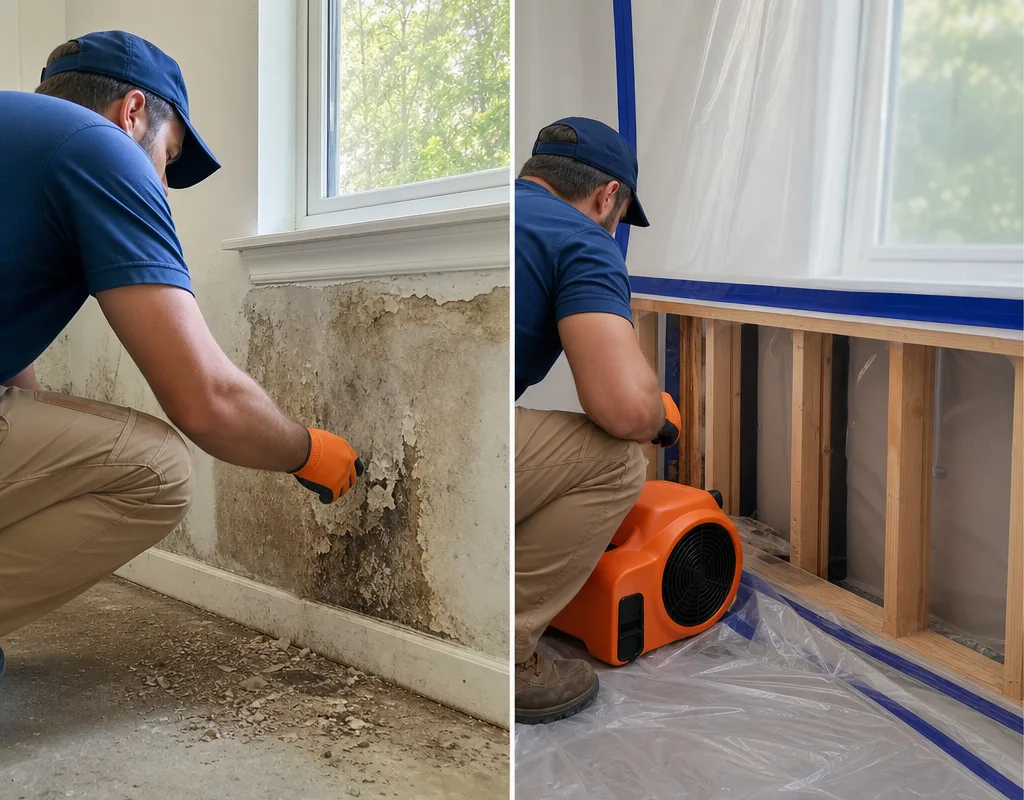
Pumping and extraction for standing water, plus containment to keep moisture and debris from spreading into clean areas.
Serving Atlanta, Georgia & surrounding areas
24/7 Emergency Response
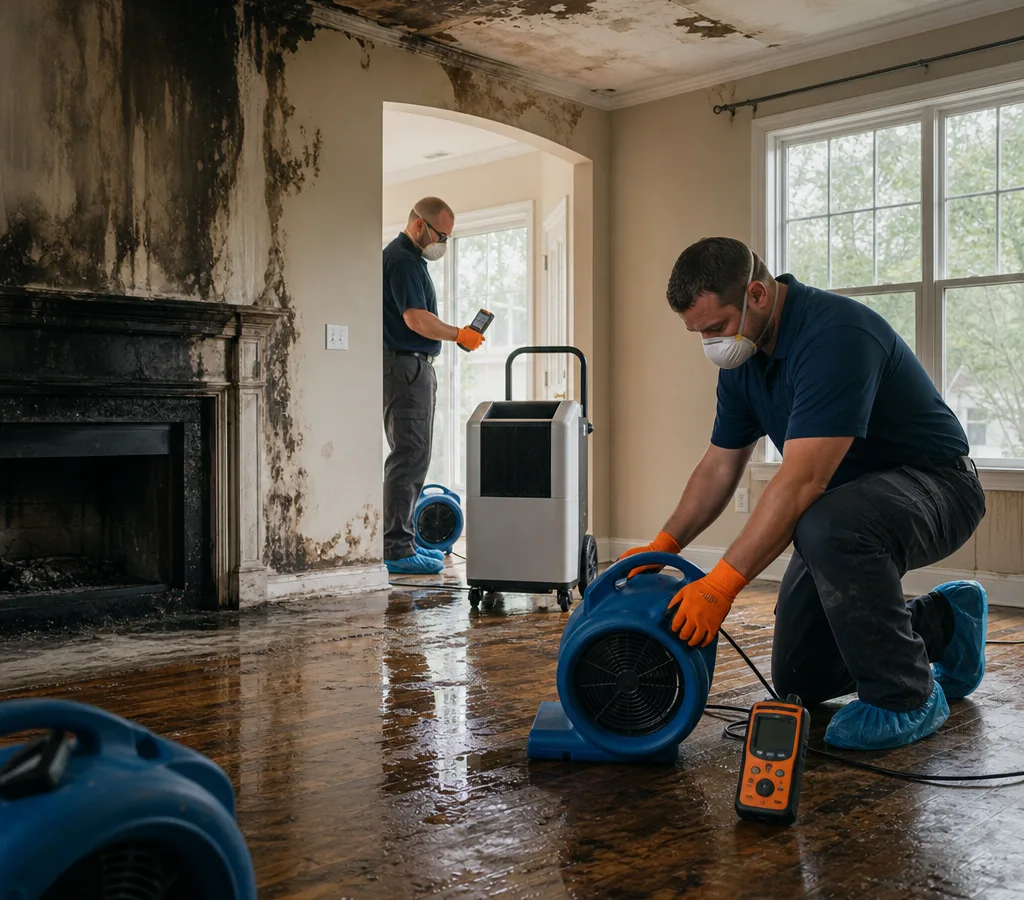
Fast response for leaks, overflows, and storm water. We stop the spread, dry the structure, and document the job so you can make smart repair decisions.
If you are searching for water damage restoration atlanta ga, you are usually dealing with an urgent problem: a supply line leak, an overflowing tub, a water heater failure, or storm water that found a way in. The first 24 to 48 hours matter because wet drywall, insulation, and flooring can wick water farther than what you see on the surface.
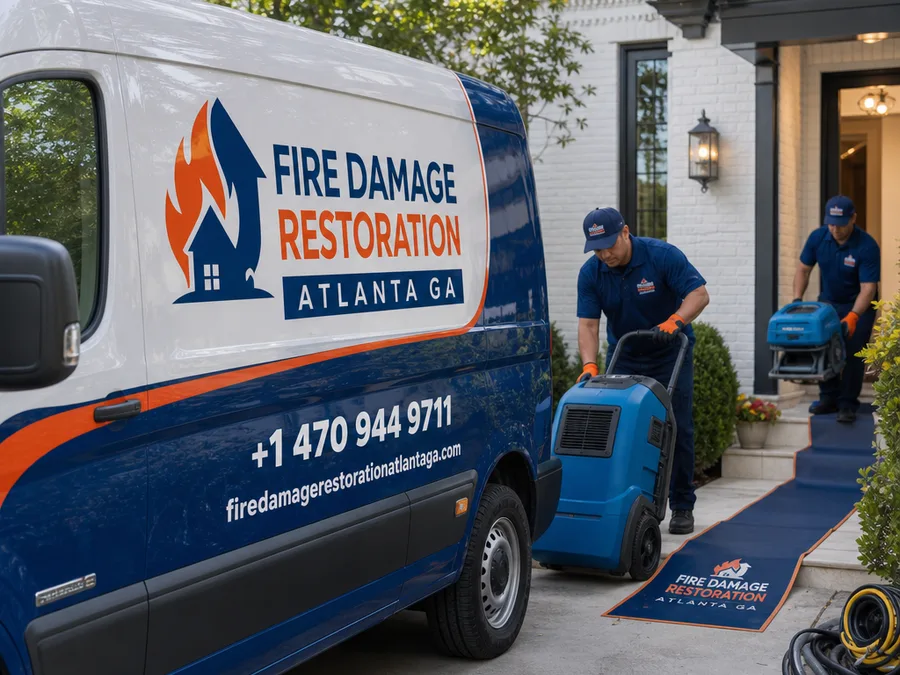
Our team at Fire Damage Restoration Atlanta GA handles water damage restoration in Atlanta with a practical, trade-first approach: stop the source if it is active, protect unaffected areas, extract standing water, dry to a verified target, and document what we find. You get clear communication about what can be dried in place versus what needs to be removed.
Atlanta's humidity can slow drying if the space is closed up without the right equipment and monitoring. That is why we focus on controlled drying (dehumidification, airflow, and temperature management) plus moisture checks, not guesswork.
For property owners and managers, we also coordinate around access and occupant safety. If you are dealing with multiple issues from the same incident—for example, water and smoke—our Fire Damage Restoration team can help you plan the correct order of work so repairs do not get redone.
Pumping and extraction for standing water, plus containment to keep moisture and debris from spreading into clean areas.
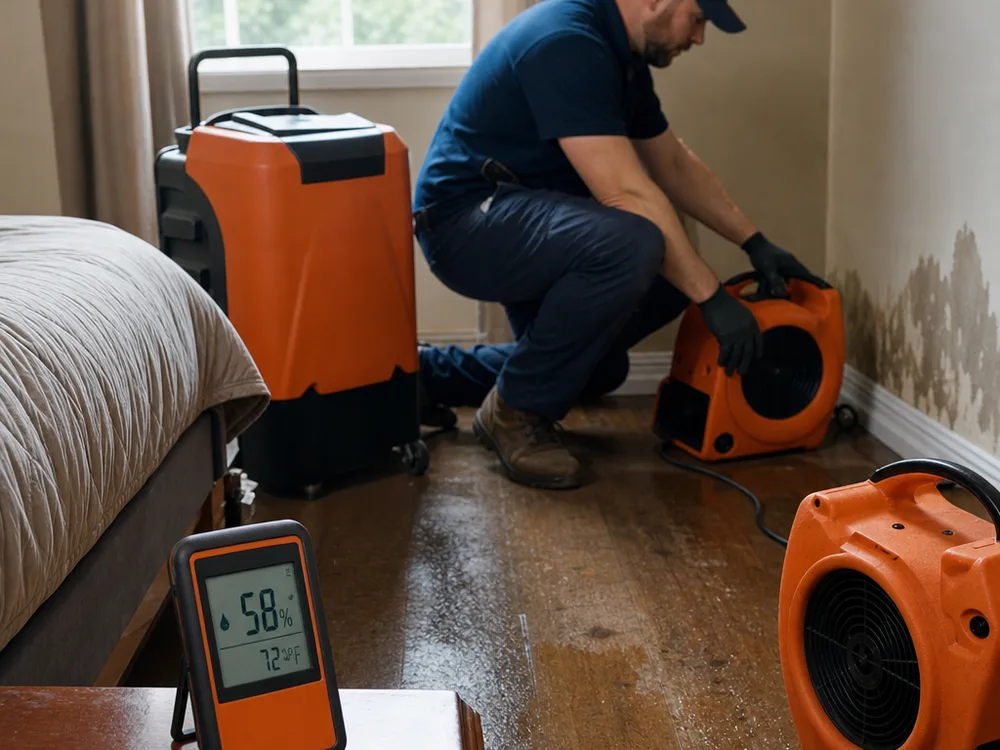
Air movers and commercial dehumidifiers sized to the space, with daily monitoring and adjustments as materials dry.
We use moisture meters and thermal imaging where appropriate to find wet building materials and confirm drying progress.
If drywall, insulation, baseboards, or flooring cannot be dried safely, we remove only what is needed to reach dry, stable materials.
Cleaning of affected surfaces, odor control as needed, and antimicrobial application when the water category and conditions call for it.
Photos, notes, and moisture readings that support insurance conversations and help define a repair scope.
Good drying is measured, not assumed. We start by identifying the water source and the likely path it took through the structure, then we map moisture levels across walls, floors, and adjacent rooms. That lets us set up drying equipment based on the size of the affected area and the materials involved.
In many Atlanta homes and condos, water travels into shared walls, under floating floors, or into insulation cavities. If drying in place is possible, we use controlled airflow and low-grain dehumidification to pull moisture out of the air and materials. If the assembly is trapped or contaminated, selective removal is often the safest choice.
You will also hear us talk about water categories (clean, gray, or black) and material classes. Those are standard industry concepts that affect what can be saved and what must be removed and sanitized. For example, a clean supply-line leak is handled differently than water that passed through a drain line or entered from outside.
For condos and multi-family properties, we can help you think through neighbors, building access, and how to limit disruption while still drying correctly.
Request Emergency Service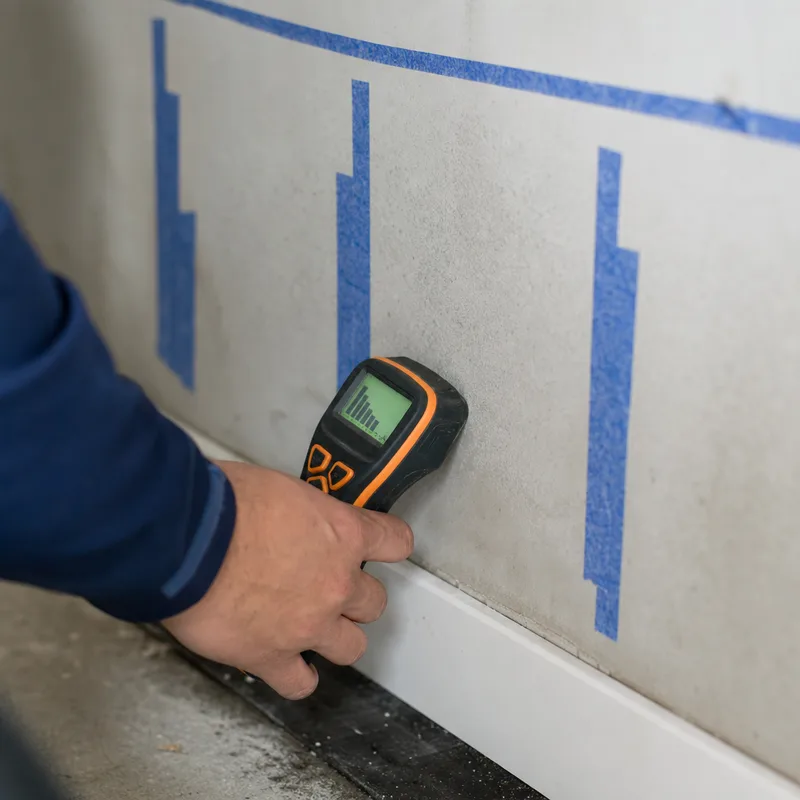
We confirm the water source is controlled, look for electrical hazards, and decide what areas need immediate protection.
We document visible damage and measure moisture in surrounding materials to understand how far the water traveled.
We remove standing water, set containment if needed, and place air movers and dehumidifiers to start controlled drying.
Drying equipment is not set-and-forget. We re-check moisture, adjust airflow, and change equipment placement as conditions improve.
Once target materials are dry and stable, we provide documentation and walk you through repair priorities and any remaining risks.
Water damage restoration in Atlanta typically ranges from about $1,500 to $7,500 for common residential losses, with larger or more complex projects reaching $10,000+ when multiple rooms, flooring removal, or extended drying is required. A small, clean-water leak with limited drying may fall near the low end, while category 2 to 3 water, ceiling collapses, or saturated hardwood and drywall push costs higher.
Final pricing depends on affected square footage, water category, how long materials stayed wet, access (condo high-rises vs. single-family), and what must be removed to dry safely. The exact cost is confirmed after an on-site inspection and moisture mapping.
“A pipe let go while we were out of town and water got under the flooring into the next room. They explained what could be dried, what had to come out, and kept checking moisture until it was actually dry. The documentation made the insurance conversations much easier.”
“We manage a small condo building and needed the affected unit dried quickly without tearing up more than necessary. The crew contained the work area, handled the extraction the same day, and communicated clearly with the owner and our HOA contact.”
Response time depends on current demand and the severity of the loss, but urgent water events are prioritized because drying time is critical in the first couple of days. When you reach out, we will ask what happened (leak, overflow, storm intrusion), whether the water is still active, and which rooms are affected so we can plan the right equipment and crew.
We focus on the restoration phase first: extraction, drying, cleaning, and documentation so the structure is stable and safe to repair. Once drying is verified, we can help you plan the repair scope and sequence so finishes are replaced after conditions are right.
Most residential drying takes about 3 to 5 days, but timelines vary based on materials (hardwood, drywall, insulation), water category, and how long the area stayed wet before equipment was installed. In Atlanta's humid conditions, controlled dehumidification and monitoring matter because ambient humidity can slow progress if drying is not managed.
Sometimes, yes, but it depends on how much water got under the floor or into the wall cavity and how quickly drying starts. We measure moisture in the subfloor and wall materials, then recommend either in-place drying or selective removal when materials are swollen, delaminating, or trapped in a way that prevents safe drying.
If it is safe, stop the water source, shut off power to affected areas if water is near outlets, and move small items out of the wet zone. Avoid running household fans if the water may be contaminated, and do not cover wet carpet or floors with plastic because it can trap moisture. The goal is to limit spread until extraction and dehumidification begin.
Yes. We provide photos, notes, and moisture documentation that support a clear scope of work for drying and any necessary removal. Coverage decisions are made by the carrier and depend on the cause of loss, but good documentation helps keep the process organized.
Tell us what happened and what areas are affected. We will explain the next steps, what can likely be dried, and what information to gather so the cleanup and repairs stay on track.