Clear scope, in writing
Look for line item scope, photos, and notes that explain what stays, what goes, and why. This protects you from change orders caused by vague early assumptions.
Serving Atlanta, Georgia & surrounding areas
24/7 Emergency Response
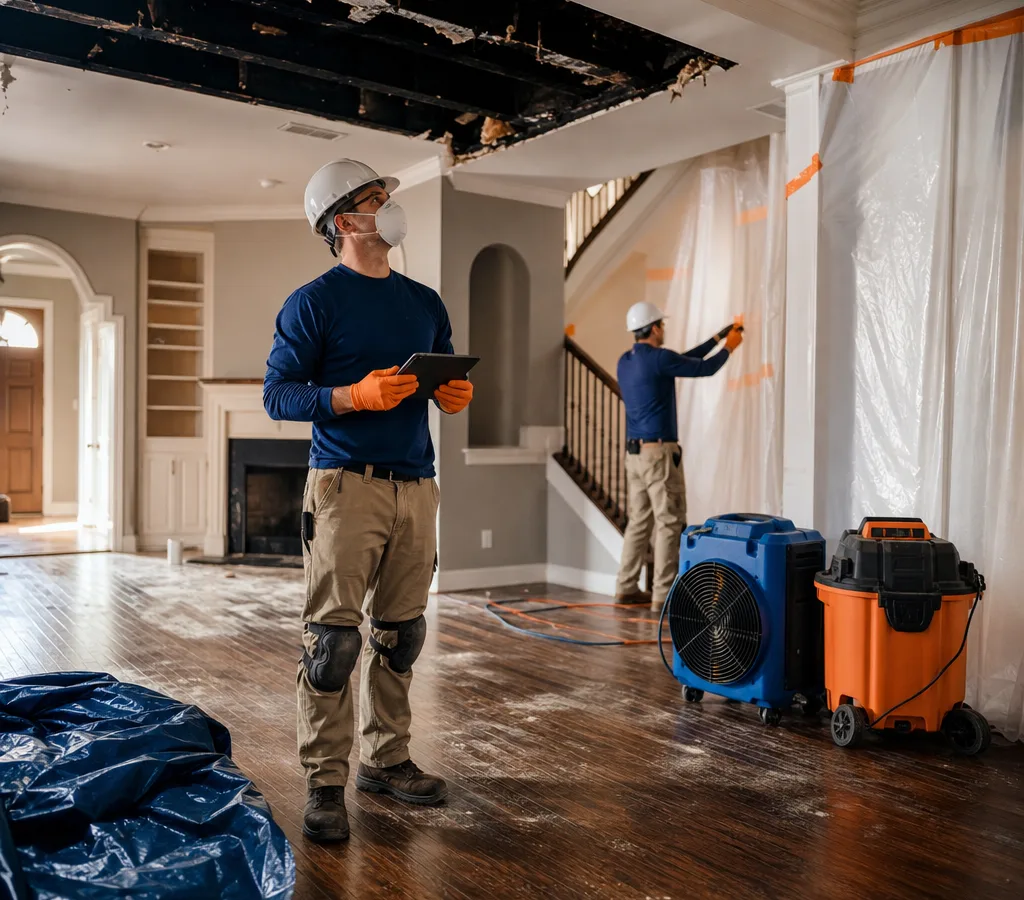
Get a written scope, realistic timeline, and steady communication from the first inspection through final repairs. Our team helps Atlanta property owners recover from damage and return the space to safe, livable condition.
Searching for restoration companies Atlanta GA usually means you need two things at once: the damage handled correctly and the process managed clearly. A good restoration company does more than remove damaged materials. They document conditions, prevent secondary damage, coordinate the right trades, and keep the project moving so you are not stuck in limbo.
At Fire Damage Restoration Atlanta GA, we approach restoration as a managed job, not a series of disconnected visits. That starts with an on site inspection, photos and notes suitable for a claim file, and a written plan that defines what is being removed, what is being dried or cleaned, what can be saved, and what needs to be rebuilt.
Because Atlanta has a mix of condos, older intown houses, and newer builds, the right approach can change fast. A high rise unit near Midtown has different access rules and staging needs than a house in Buckhead with a crawlspace and multiple levels. Either way, the basics stay the same: control the environment, protect unaffected areas, and complete each phase in the correct order so you do not pay twice for the same work.
Look for line item scope, photos, and notes that explain what stays, what goes, and why. This protects you from change orders caused by vague early assumptions.
A restoration company should record moisture readings where relevant, identify affected assemblies, and document pre existing issues so the repair plan is defensible.
Plastic barriers, negative air when needed, and proper debris handling matter. If a crew starts demo without protecting the rest of the home, that is a red flag.
Ask how drying will be monitored and when equipment will be adjusted or removed. The goal is dry building materials, not just running fans for a few days.
Cleanup is only the first part. Confirm who coordinates rebuild tasks like drywall, paint, flooring, trim, and finish work, and how scheduling updates are shared.
In Atlanta, parking, HOA rules, and elevator reservations can affect timelines. Choose a team that plans staging and access early, especially for condos and townhomes.
Most problems people have with Atlanta restoration companies come from skipped steps. Restoration has a sequence for a reason. When the order is right, the job is safer, documentation is cleaner, and repairs hold up.
Inspection and stabilization: We assess the damage, identify immediate hazards, and take steps to prevent spread. That can include isolating affected rooms, securing openings, or removing unsafe debris.
Documentation and scope: Photos, measurements, and notes are organized into a work plan. If you are filing a claim, strong documentation helps align expectations between you and the adjuster.
Controlled removal and cleaning: Damaged materials are removed in a way that protects the rest of the home. Salvageable contents may need cleaning, deodorization, or careful packing for off site treatment.
Drying and monitoring: When moisture is present, we use dehumidification and air movement with regular checks to confirm materials are drying, not just feeling dry on the surface.
Repairs and rebuild: Once the structure is clean and stable, repairs can start. This can include insulation, drywall, trim, flooring, cabinets, paint, and finish details so the space is put back together to a livable standard.
If you are also evaluating providers, start with an overview of Fire Damage Restoration. It explains how our team organizes inspection, documentation, and repairs so you know what you are hiring.
Request Emergency Service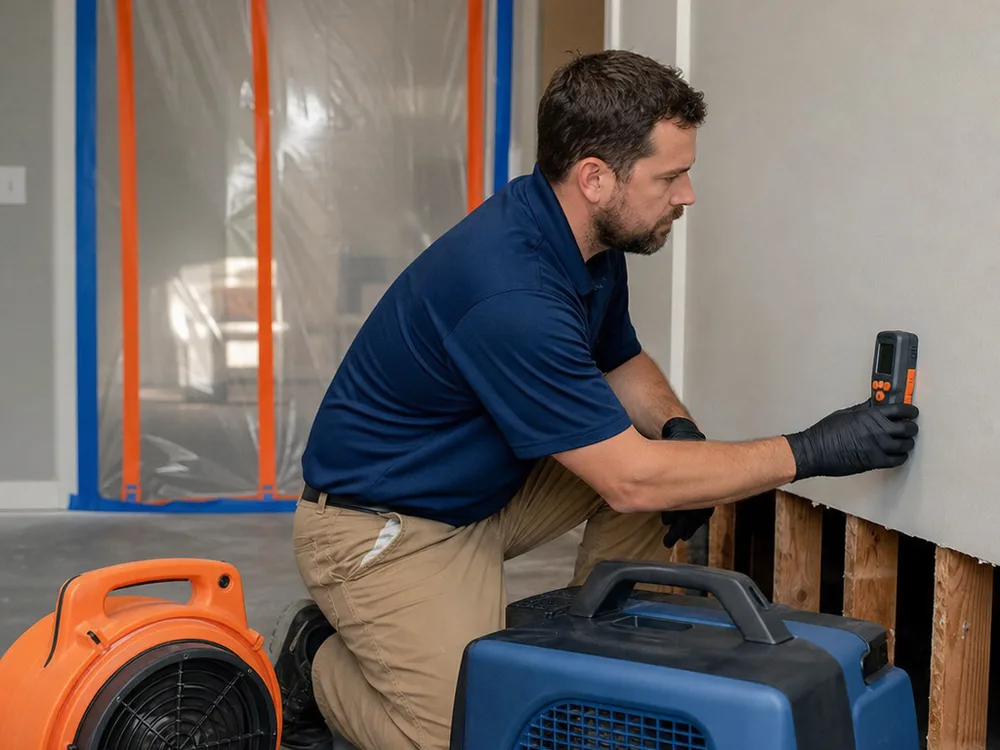
We gather the basics about the property type, what happened, and any safety concerns, then schedule the inspection based on urgency and access requirements.
We walk the affected areas, note visible damage, and check adjacent spaces that can be impacted. You get a plain language summary of what we found.
You receive a clear scope with recommended next steps and realistic time expectations. When there are options, we explain tradeoffs, not just the lowest cost path.
Before major removal or cleaning, we protect unaffected rooms, set up containment if needed, and plan debris routes to reduce tracking and dust.
We keep you informed about milestones: what is done, what is next, and what could change the schedule, such as material lead times or access windows.
In Atlanta, restoration work typically ranges from about $1,500 to $6,000 for smaller, contained damage, while larger losses that involve multiple rooms and repairs often run $10,000 to $40,000+. Your total depends on the category of damage, how much demolition is required, whether drying or specialized cleaning is needed, and how extensive the rebuild is.
Access and logistics can also shift pricing in condos or townhomes, where parking, elevator reservations, and debris handling rules add labor time. The exact cost is confirmed after an on site inspection and a written scope of work.
“They walked me through the scope before anything started and explained what could be cleaned versus what had to be replaced. The updates were consistent, and the repair work matched what was written in the plan.”
“Our condo building has strict rules for work hours and debris. The crew planned around it and kept the hallway clean, which mattered a lot to our neighbors and the HOA.”
“The best part was knowing what was next. Every phase had a start and finish, and I was never guessing whether we were waiting on drying, materials, or scheduling.”
Response time depends on severity, access, and current demand, but urgent situations should be triaged the same day when possible. In Atlanta, condo access rules and parking limitations can delay entry if not planned up front, so having building contact details and any HOA requirements ready helps speed the first visit.
Ask who writes the scope, how they document conditions, what safety and containment steps they use, and who manages repairs after cleanup. You should also ask how change orders are handled and how often you will get schedule updates, because communication is usually the difference between a smooth project and a stalled one.
We can support the claim process by providing photos, notes, and a written scope that matches the work being performed. You still control your claim, but strong documentation helps reduce back and forth and keeps the restoration plan aligned with what is actually required on site.
Many do, but you should confirm it in writing before work starts. A complete restoration includes stabilization and cleanup, then repairs like drywall, paint, flooring, trim, and other finish work so the space is returned to usable condition instead of being left at demolition.
Smaller, contained jobs can sometimes finish in a few days to a couple of weeks, while larger losses with multiple trades can take several weeks or longer. The timeline is driven by scope, material lead times, access constraints, and whether drying or specialized cleaning is needed before repairs can begin.
If it is safe, limit traffic through the affected area, move valuable items out of nearby rooms, and avoid running HVAC that could spread dust or odor. Do not remove materials that may be important for documentation if you are filing a claim; taking a few clear photos of the damage before any major cleanup can also help.
Tell us what happened and what type of property you are in, and we will schedule an inspection and provide a written scope with straightforward next steps. Fire Damage Restoration Atlanta GA serves Atlanta, GA 30305 and nearby areas.