Safety-first site stabilization
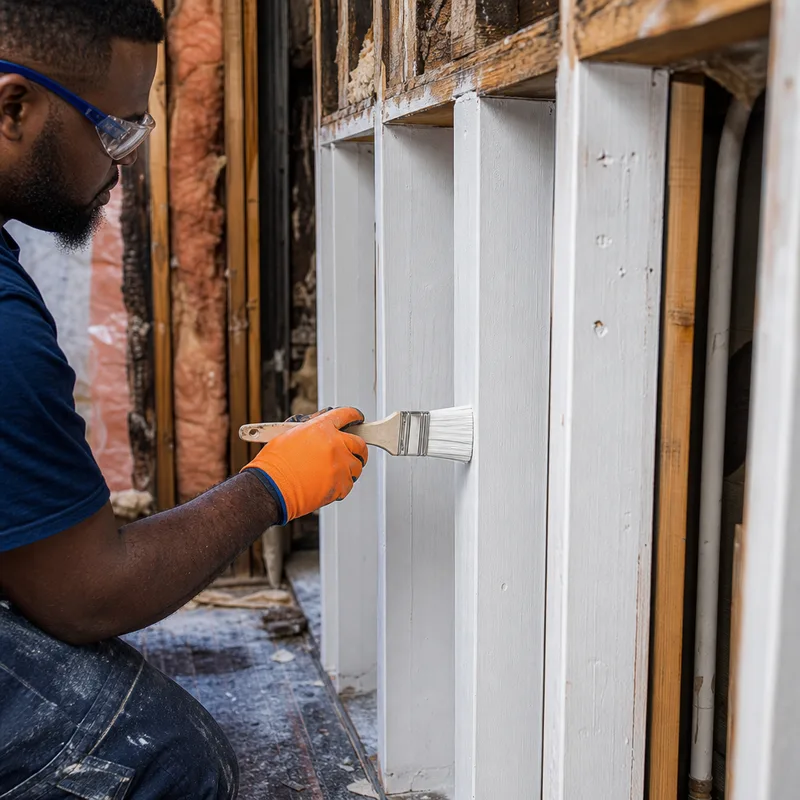
We start by identifying hazards like compromised drywall, electrical concerns, and loose debris, then secure openings and limit access where needed.
Serving Atlanta, Georgia & surrounding areas
24/7 Emergency Response
Fast, careful cleanup after a fire. We remove smoke and soot, protect what can be saved, and rebuild damaged areas with a clear scope before work begins.
Fire damage is more than what burned. Smoke moves through attics, wall cavities, HVAC returns, and porous materials, leaving odor and residues that keep spreading if they are not addressed quickly. When you are searching for fire restoration Atlanta GA, you are usually trying to solve several problems at once: safety, securing the property, removing soot and smoke odor, drying any water from firefighting, and getting a plan for repairs.
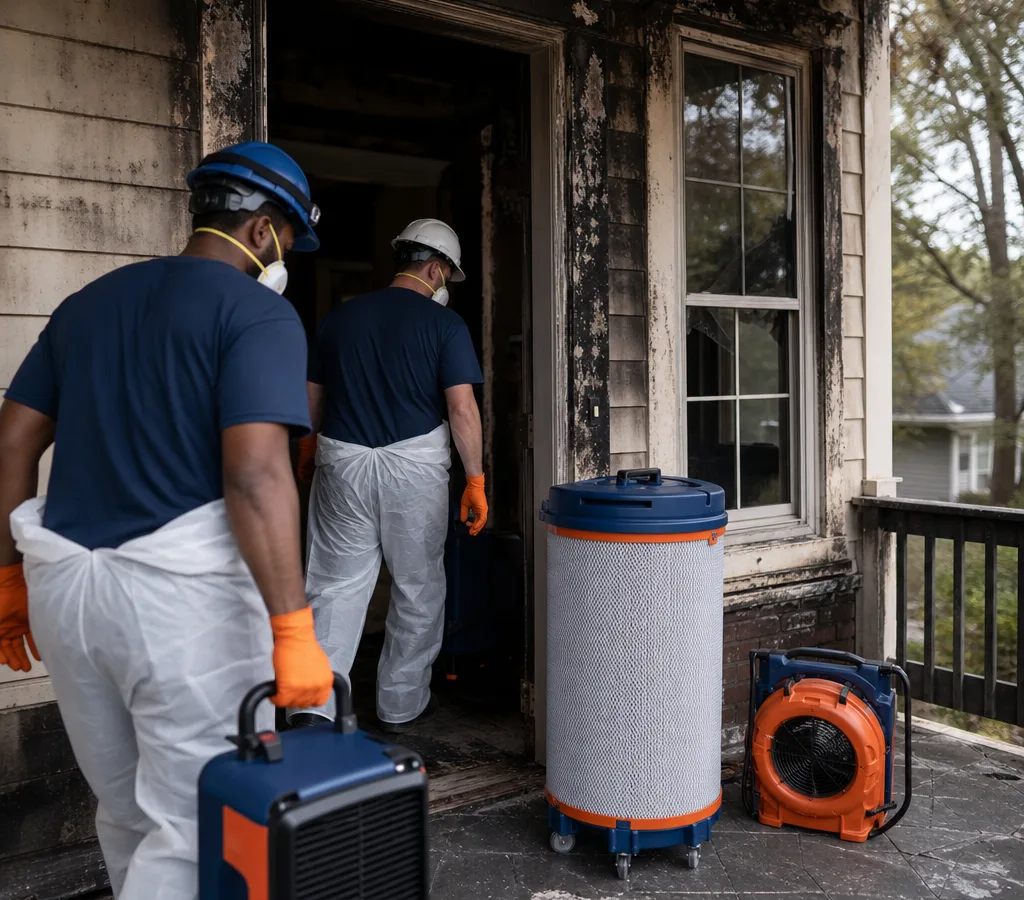
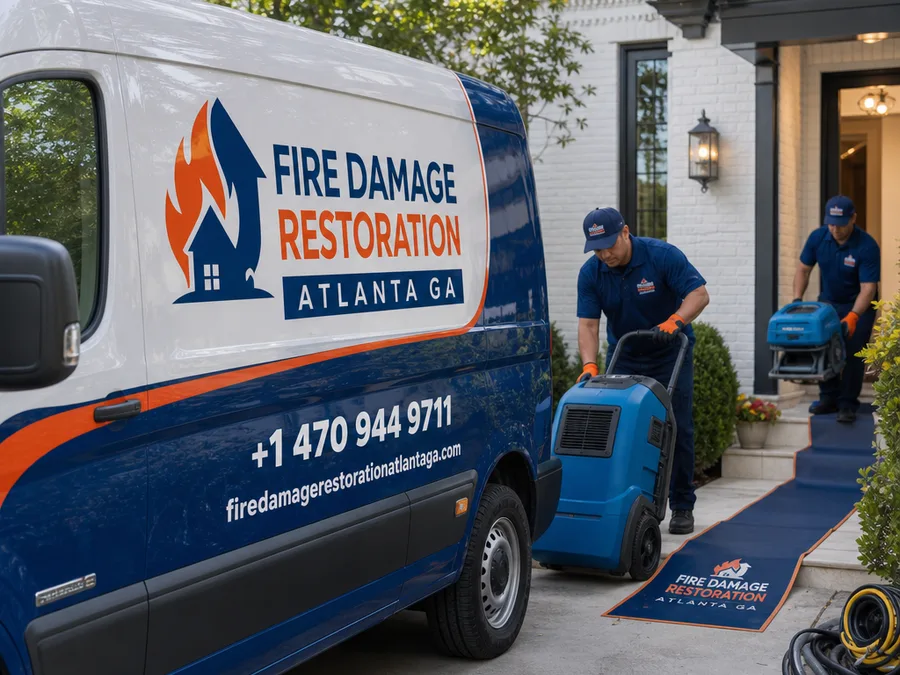
Our team at Fire Damage Restoration Atlanta GA handles full-service fire restoration in Atlanta, from immediate stabilization through final rebuild. The first visit is about making the site safe and preventing secondary damage. That can include boarding up openings, isolating affected areas, setting up HEPA air filtration to control airborne soot, and starting documentation so the scope is clear.
Atlanta homes and small commercial spaces often have a mix of drywall, insulation, wood framing, and soft goods that absorb smoke quickly. If soot sits, it can permanently stain finishes and corrode metals. Getting the right cleaning method early matters: dry soot removal, controlled vacuuming with HEPA filtration, and the correct chemistry for acidic residues. Just as important, we avoid spreading contamination into clean rooms by using containment and negative air where needed.
If you want a quick overview of who we are and how we work across the metro, start with Fire Damage Restoration Atlanta.
Fire loss cleanup in Atlanta often has two time-sensitive realities: humid weather can slow drying, and many properties sit close together, so smoke odor can migrate through shared walls or attic spaces in townhomes and multi-unit buildings. We plan around both.
You will see different needs depending on where the damage occurred. In Midtown and Downtown high-rises, restoration commonly focuses on smoke infiltration, contents cleaning, and coordinating access and building rules. In areas with older housing stock like Virginia-Highland and Inman Park, there is often more trim, plaster, and layered renovations, so careful selective demolition and detailed cleaning can preserve more original finishes. In Buckhead, larger footprints can mean multiple HVAC zones and more contents, which changes the time required for inventory, pack-out decisions, and deodorization.
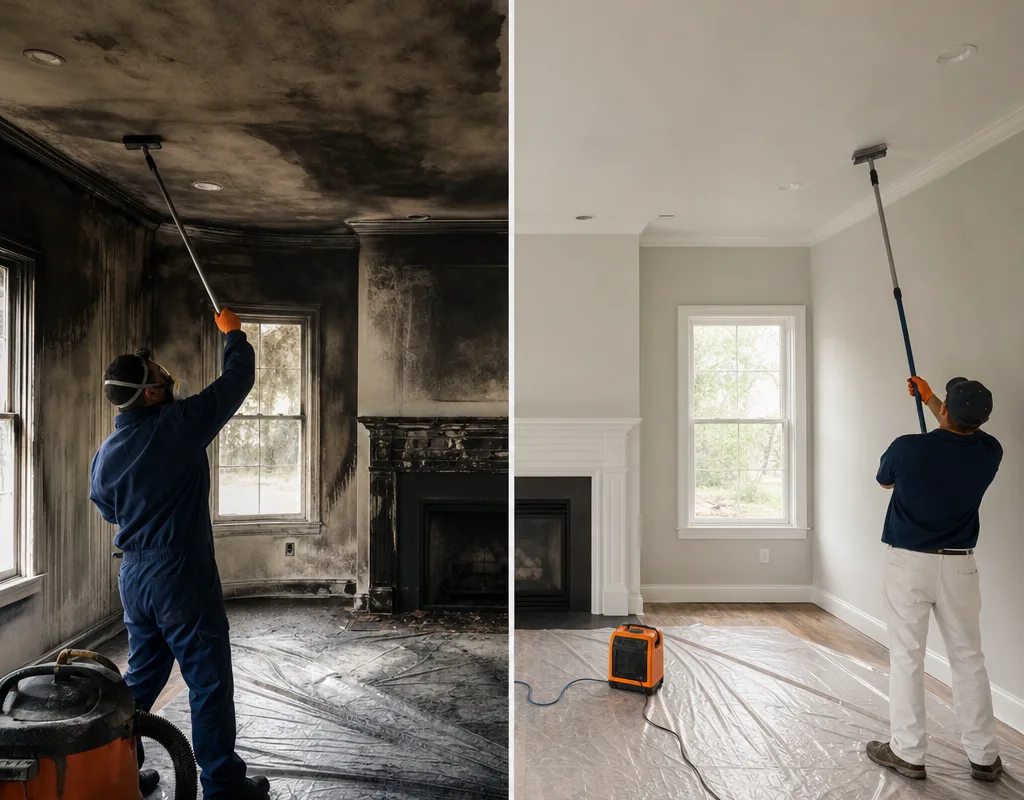
Across Atlanta, we treat every job as a containment problem first: keep soot and odor from traveling, protect unaffected rooms, and document what is salvageable. Then we choose the least aggressive method that still removes residues. That might mean sponge cleaning and HEPA vacuuming for light soot, or more intensive cleaning and sealing of structural members where smoke exposure was heavy.
If you are working with an adjuster, we can provide a written scope that separates emergency services—stabilization and mitigation—from repair work, so approvals and scheduling are simpler.
Request Emergency Service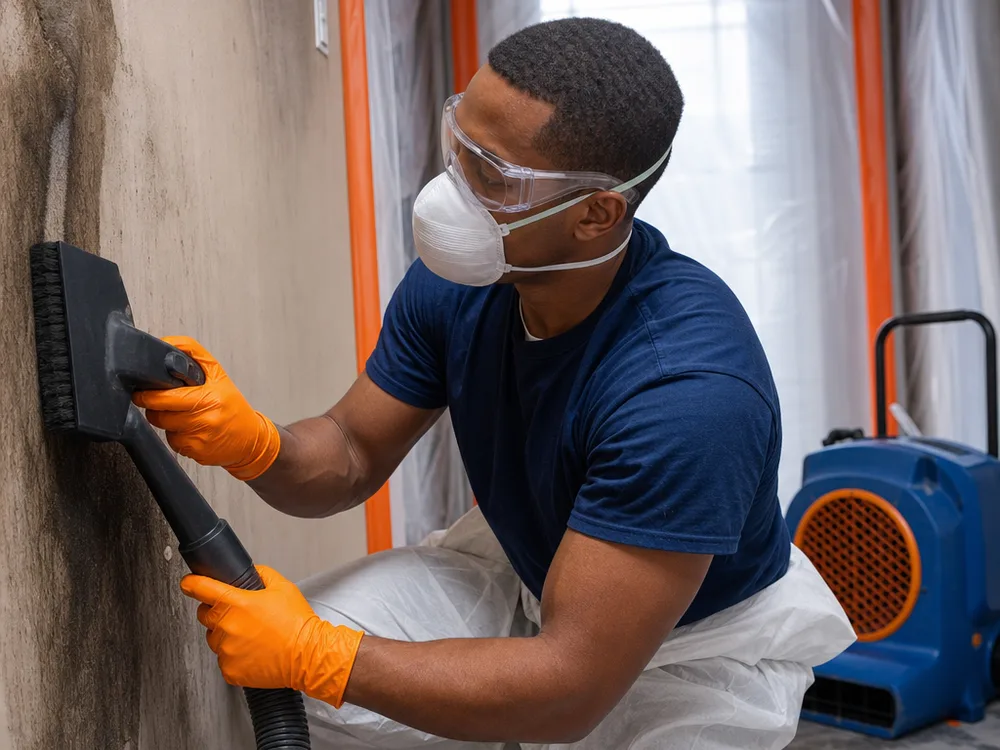
We start by identifying hazards like compromised drywall, electrical concerns, and loose debris, then secure openings and limit access where needed.
We remove dry soot with HEPA-filtered equipment and use the correct cleaners for smoke residues to reduce staining and corrosion.
Smoke odor is a residue issue, not an air freshener issue. We clean affected surfaces, treat materials that absorbed smoke, and use professional deodorization tools when appropriate.
If firefighting water affected floors, framing, or insulation, we dry and monitor moisture so you do not trade fire damage for mold risk.
We help decide what can be cleaned, what should be discarded, and what needs specialty handling, with clear documentation for the claim and for your records.
You get a clear scope of repair work, materials, and sequencing so repairs are planned, not improvised.
We assess the affected areas, identify safety risks, and take steps like boarding up, temporary weather protection, and setting up containment to control soot migration.
We document damage and create a written scope that distinguishes emergency work from repairs, which helps keep approvals and scheduling straightforward.
We remove soot from surfaces, clean residues from structural materials and finishes, and address smoke staining with the correct methods for the material.
If water was used to extinguish the fire, we dry the structure with professional equipment and track moisture levels to confirm drying is complete.
After cleaning, we address lingering odor with targeted treatment. We also use HEPA air filtration during work to reduce airborne particulate.
We repair fire-damaged areas, replace unsalvageable materials, and complete a final walkthrough so you know what was done and what to expect next.
Fire restoration in Atlanta typically ranges from about $3,000 to $12,000 for smaller, localized damage, while larger losses with heavy soot, water damage, and rebuild work can run $25,000 to $100,000+ depending on scope. Light smoke cleanup in a few rooms costs less than a full structural clean, contents handling, insulation removal, and reconstruction.
Final pricing depends on the number of affected rooms, smoke penetration—including HVAC and attic—the level of soot, water involved, materials that must be removed, access constraints such as multi-story or multi-unit properties, and the amount of rebuild required. The exact cost is confirmed after an on-site inspection and a written scope.
“After a small kitchen fire, the smoke smell was everywhere. They explained what could be cleaned versus replaced, set up containment right away, and the odor was gone after the cleanup and deodorization.”
“The written scope helped a lot with the insurance process. I appreciated that they documented everything and did not rush the demolition before we understood the plan.”
“We had water from the fire department plus smoke damage. They dried the floors, tracked moisture, and handled the soot cleanup without spreading it through the house.”
In many cases we can begin stabilization the same day, depending on safety conditions and access. The first priority is securing the property and controlling soot migration with containment and HEPA filtration, then moving into cleaning, drying (if water is involved), and planning repairs.
It depends on the affected areas, odor levels, and whether utilities are safe to use. If damage is limited to one area, we may be able to isolate work with containment so you can remain in unaffected rooms; larger losses usually require temporary relocation during demolition, cleaning, and rebuild.
Often yes, but it must be handled carefully because soot can spread through the system. We evaluate where smoke traveled, isolate the system as needed, and coordinate cleaning so residues are removed rather than redistributed into clean areas.
Many hard, non-porous items can be cleaned if heat damage is not severe, while porous materials like upholstered furniture and some textiles may require specialty cleaning or replacement. We triage contents early, document condition, and focus first on items at risk of permanent soot staining or odor absorption.
Small smoke cleanup projects may take a few days, while larger fire losses with demolition and rebuild can take several weeks or more. Timeline depends on soot level, whether water drying is needed, inspection approvals, materials lead times, and the extent of repairs.
Yes. We can provide documentation and a written scope that separates emergency mitigation from repairs, which helps with approvals and scheduling. You still control decisions about repairs and materials, and we answer questions in plain terms so you know what is being recommended and why.
Light surface dusting can make soot worse by smearing it into paint, drywall, and fabrics, and it can increase airborne particulate. If you need to do anything immediately, focus on safety and preventing access to the damaged area; avoid running HVAC and avoid using household vacuums that are not HEPA-rated.
Tell us what happened and what areas are affected. We will walk the property, document the damage, and give you a written scope for cleanup, odor removal, and repairs so you can move forward with a clear plan.