Flooring that cups, buckles, or feels soft
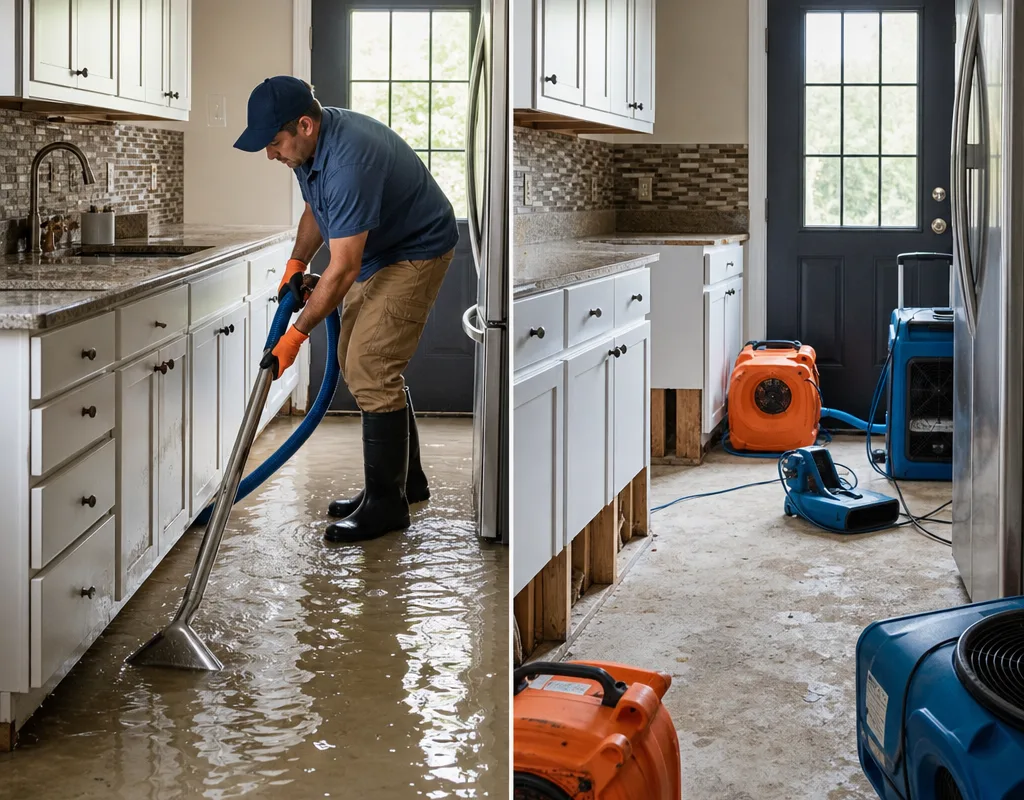
Hardwood and laminate can trap moisture underneath; subfloor swelling often shows up days later if drying is incomplete.
Serving Atlanta, Georgia & surrounding areas
24/7 Emergency Response
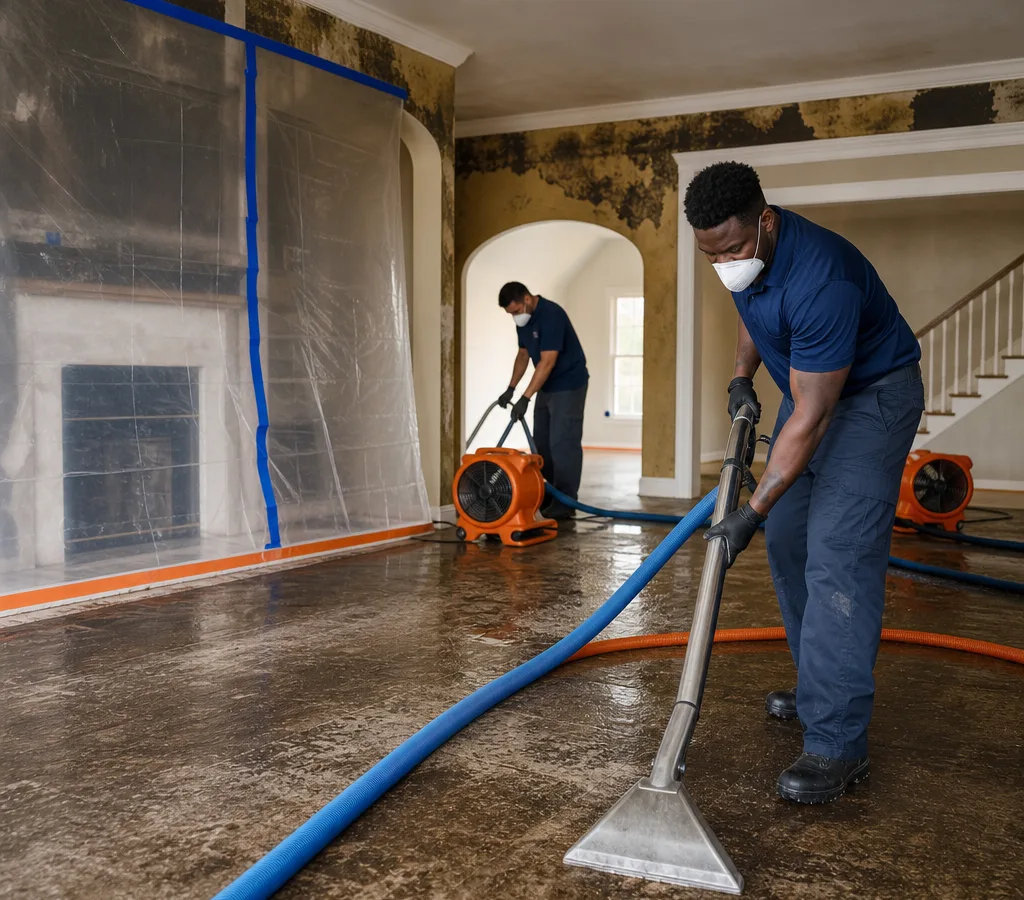
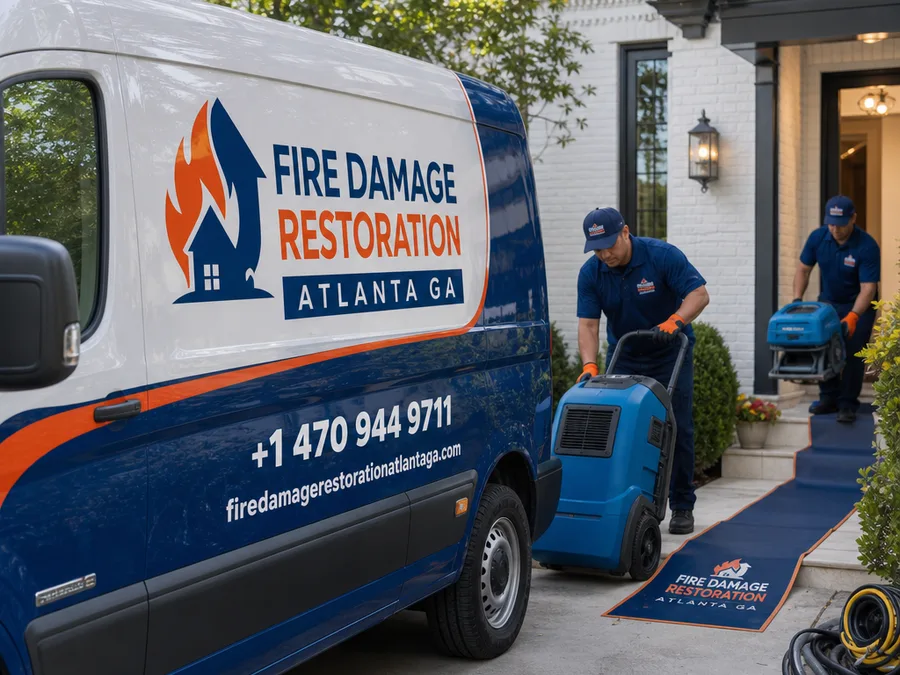
When water gets in, time matters. Our local team handles emergency extraction, structural drying, and restoration planning to protect your home and keep your claim moving with clear documentation.
Flood damage restoration is more than removing standing water. It is a controlled process to stop ongoing damage, dry what can be saved, and document conditions for insurance.
In Atlanta, water problems often show up fast in basements, slab-level rooms, and crawlspaces, especially after heavy rain events. Even when the water looks gone, moisture can stay trapped in drywall, insulation, flooring, sill plates, and HVAC cavities. That hidden moisture is what drives swelling, corrosion, odor, and microbial growth.
A proper response focuses on:
If you are dealing with water and smoke issues in the same event, our team can coordinate the scope so drying and rebuilding do not work against each other.
Water takes the easiest path, then wicks into materials you cannot see. Our work starts with a room-by-room assessment and moisture map, then we choose drying methods based on construction type.
For many homes around Buckhead and Midtown, interior finishes like hardwood, engineered flooring, and painted drywall can be affected quickly once water reaches the edges. In older areas such as Grant Park and Virginia-Highland, mixed renovations and older framing can create hidden pockets where moisture lingers in wall cavities and subfloors.
We also see frequent crawlspace involvement in parts of Atlanta that have vented crawlspaces and older insulation. Wet insulation and vapor barriers can hold water and odor even after the floor feels dry.
What you can expect from our team:
You get a written scope and a practical plan before major removal or repair starts.
Request Emergency Service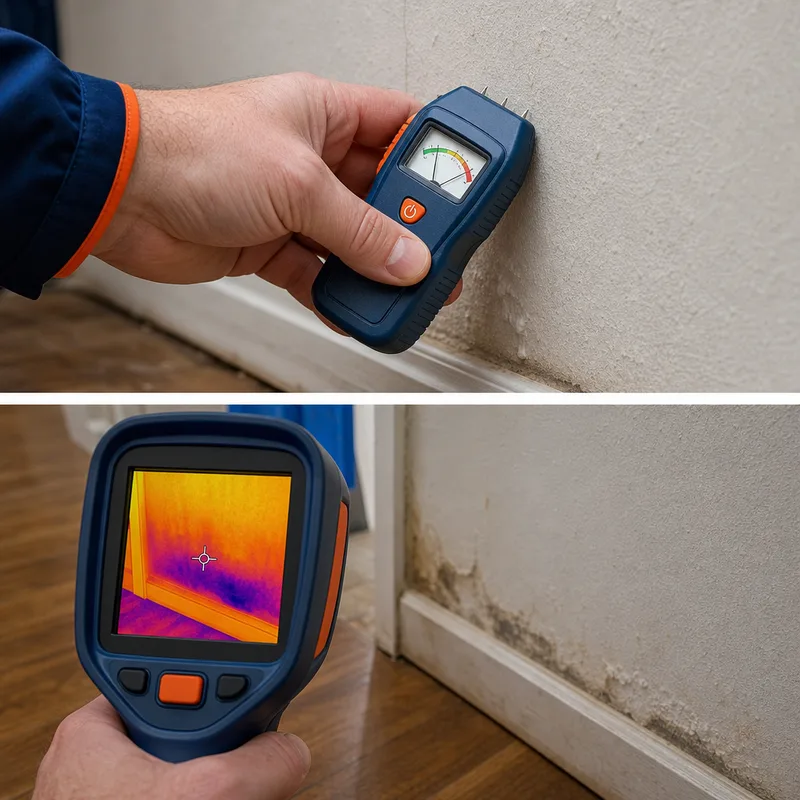
Hardwood and laminate can trap moisture underneath; subfloor swelling often shows up days later if drying is incomplete.
Odor is usually a moisture problem. If walls, insulation, or cabinetry stayed wet, smell can persist until those materials are properly dried or removed.
Drywall acts like a sponge. The water line can be higher inside the wall than what you see on the surface.
Electrical and mechanical safety comes first. These situations often require coordination with a licensed electrician or HVAC professional before systems are restarted.
If the water is contaminated, cleaning steps and material removal are different. Porous materials are often not salvageable in Category 3 conditions.
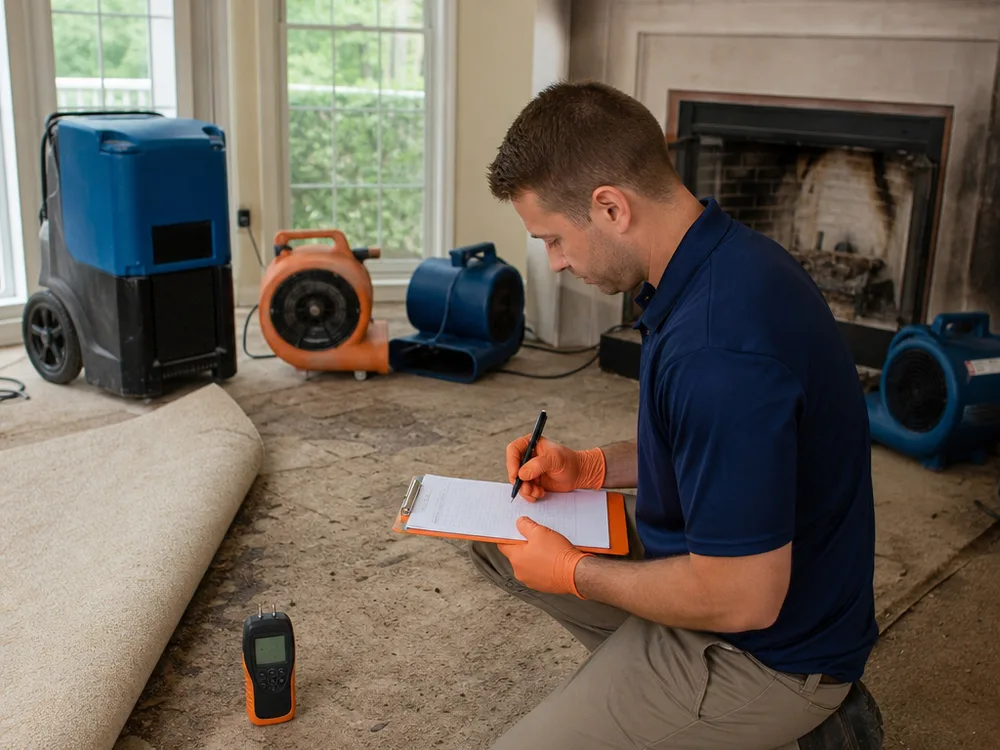
We identify hazards, locate wet materials with meters and thermal imaging, and document conditions with photos and readings for the job file.
We remove standing water and pull out unsalvageable wet materials when needed, then set containment if drying could impact clean areas.
We place air movers and dehumidifiers based on the affected materials and volume, then track moisture readings until dry goals are met.
We clean affected surfaces and apply antimicrobial treatments when appropriate to the water category and material type, then address odor at the source.
You receive clear notes on what was affected, what was removed, and what is ready for repair so your rebuild or contractor work can start with fewer surprises.
Flood damage restoration in Atlanta typically ranges from $1,500 to $8,000+ depending on how far the water traveled and what materials are involved. A small, clean-water incident limited to one room is often on the lower end, while multi-room flooding with wet drywall, flooring removal, or crawlspace work can climb quickly.
Final price depends on the moisture load, the number of days equipment must run, water category (clean vs contaminated), required demolition, access, and contents handling. The exact cost is confirmed after an on-site inspection and moisture readings.
If your home took on water, get an inspection and moisture map as soon as you can. A clear drying plan early often reduces how much material has to be removed later.
Call for Emergency HelpStart time depends on current emergency volume, but flood damage restoration is treated as time-sensitive and we prioritize active water intrusion and standing water. The first visit focuses on safety, extraction, and a moisture map so drying can begin quickly and in the right places.
Yes. We document the affected areas with photos, moisture readings, and notes on what was removed and why, which helps support your claim. Coverage varies by policy and cause of loss, so we keep the documentation clear and itemized to match common adjuster review needs.
Clean water (Category 1) comes from a sanitary source, while contaminated water can include stormwater, sewer backups, or water that sat long enough to become unsanitary (Category 2 or 3). The category changes the cleaning steps and what materials can be saved, especially porous items like carpet pad, insulation, and drywall.
Sometimes, but it depends on how long they were wet, whether water reached the subfloor, and how the floor was installed. We measure moisture in the flooring and subfloor and look for cupping, buckling, and edge swelling to decide whether controlled drying is realistic or removal is the safer option.
Most drying phases take 3 to 5 days, but timelines vary with the amount of water, the materials, and how enclosed the wet areas are. We monitor moisture readings rather than guessing, and we adjust equipment until the affected materials reach appropriate dry goals.
If it is safe, stop the water source, avoid using outlets or appliances in wet areas, and move small valuables to a dry spot. Do not run the HVAC if you suspect water entered ducts or equipment. If you can, take photos of the affected rooms and any visible water lines for your records.
Fire Damage Restoration Atlanta GA serves Atlanta, GA 30305 with flood damage restoration focused on rapid cleanup, careful drying, and documentation you can use for next steps. Share what happened and what areas were affected, and we will recommend a plan based on what we find on site.