Moisture mapping, not assumptions
We use moisture meters and thermal imaging to track where water traveled, including behind baseboards and under flooring, so drying targets are based on measurements.
Serving Atlanta, Georgia & surrounding areas
24/7 Emergency Response
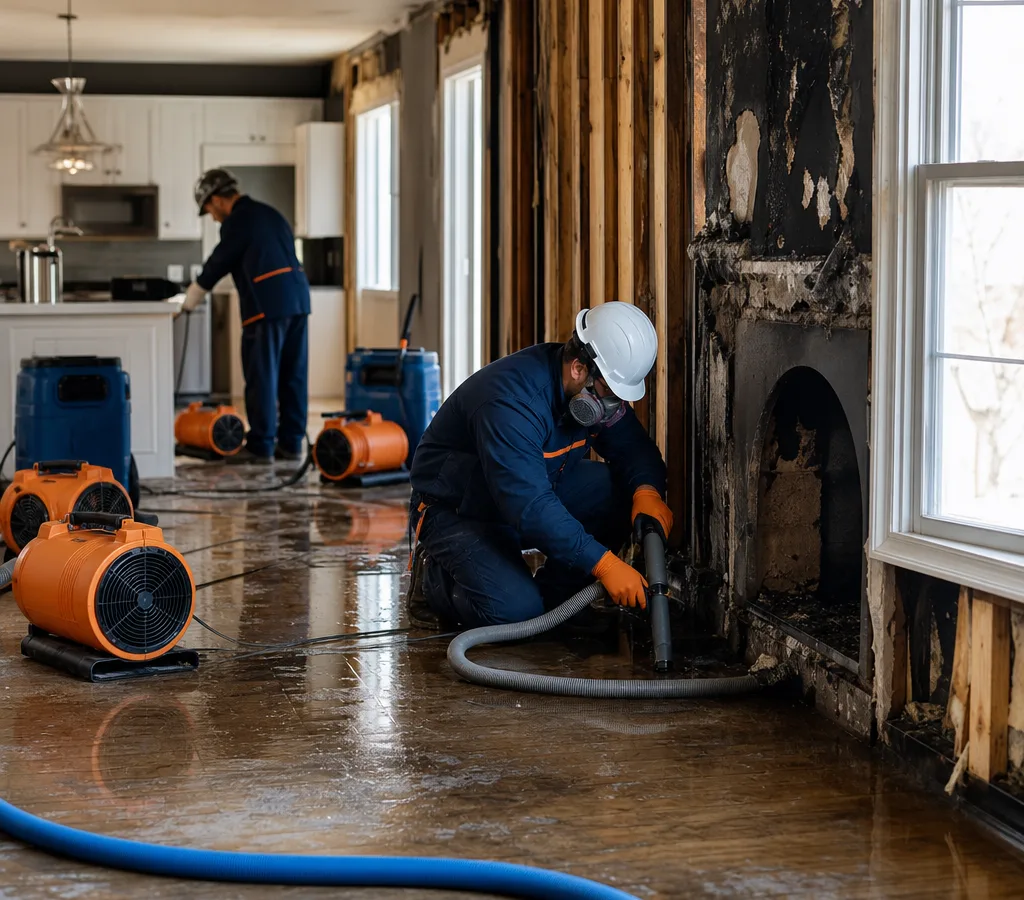
When water and fire hit the same property, the cleanup has to be coordinated: stop the moisture, remove smoke residue, protect what can be saved, and document conditions clearly before rebuild decisions are made. Local crews respond across Atlanta for drying, cleanup, and odor control.
Atlanta water fire damage usually means two problems at once: water from suppression or a burst line, plus smoke and soot that spread farther than the flames. The first hours matter because wet materials swell, metals corrode, and soot becomes harder to remove as it bonds to surfaces.
If you are safe to enter, focus on immediate risk control. Shut off water if a supply line is involved, and avoid running HVAC because it can move soot through the ductwork. Do not plug in appliances or turn on breakers in wet areas. If ceilings are sagging, floors feel soft, or there is a strong electrical smell, stay out until the structure is checked.
Our restoration work starts with a fast, practical plan: stabilize the loss, prevent secondary damage, and map out what must be removed versus what can be cleaned and dried in place. Our team approaches restoration work across the metro without locking you into a one-size-fits-all scope.
A combined loss needs sequencing. If you clean soot before the building is dry, odors can reappear and porous materials can keep absorbing contamination. If you dry without controlling soot and ash, air movement can spread residues into clean rooms.
Typical Atlanta water fire damage restoration includes:
You will get a written scope that separates immediate mitigation from longer-term repairs, so you can make decisions with clear priorities instead of guesswork.
Request Emergency Service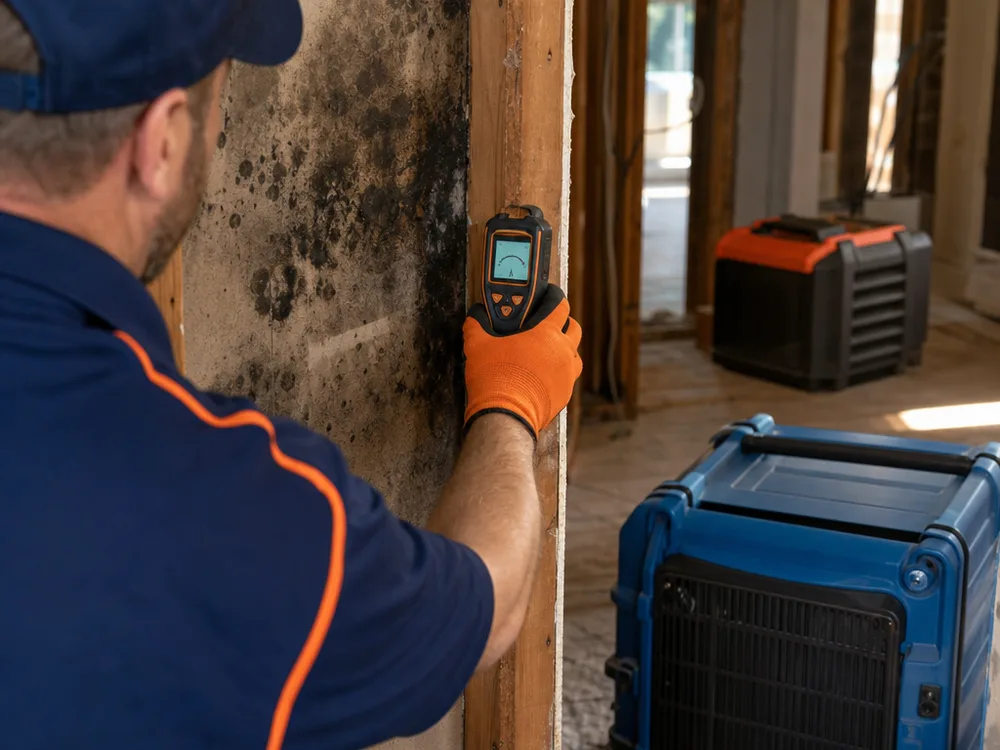
We use moisture meters and thermal imaging to track where water traveled, including behind baseboards and under flooring, so drying targets are based on measurements.
Plastic containment and HEPA air scrubbers help keep soot and fine particulates from migrating into unaffected rooms while demolition and cleaning are underway.
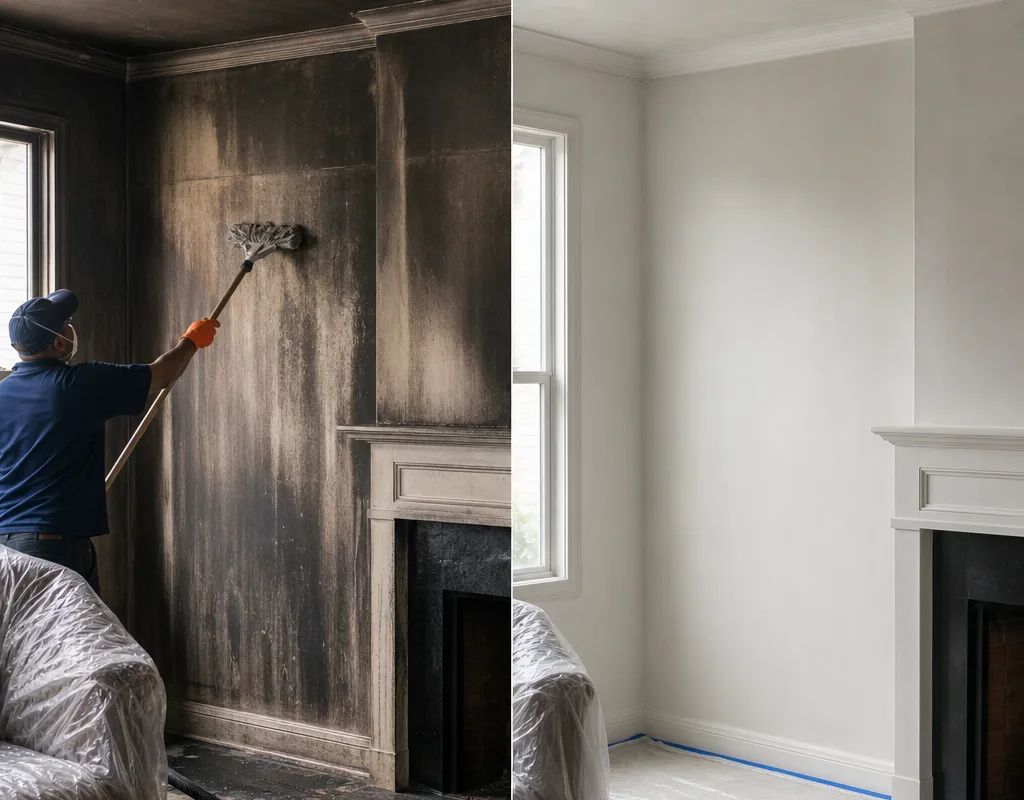
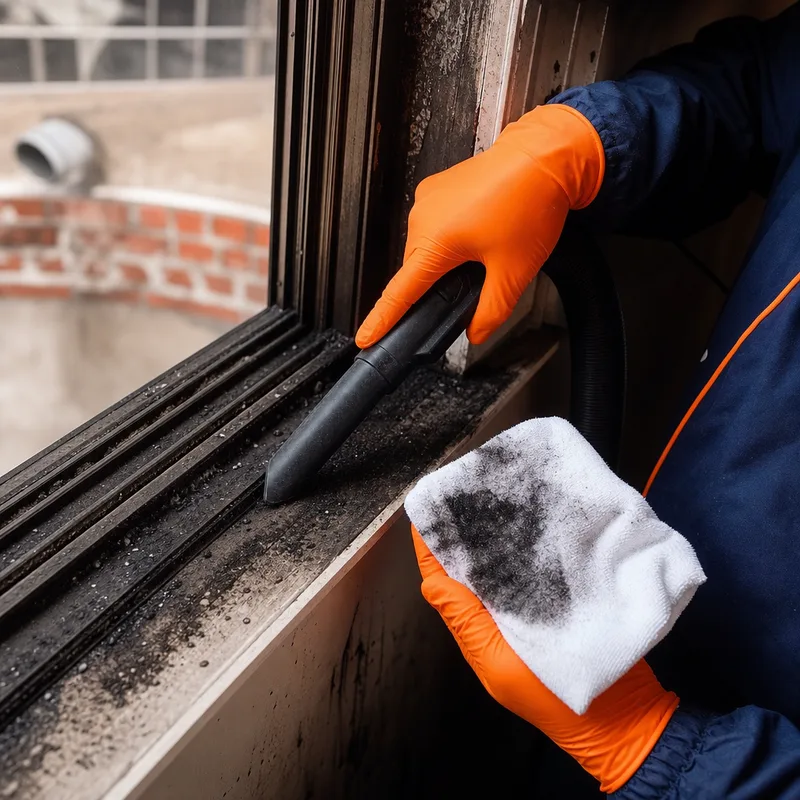
Different residues call for different chemistry and agitation. The goal is to remove soot without driving it deeper into porous surfaces or damaging finishes.
Smoke odor is treated at the source. That may include cleaning, thermal fogging, or sealing strategies depending on what is actually impacted.
Photos, readings, and itemized notes help support insurance conversations and keep reconstruction decisions grounded in what was affected.
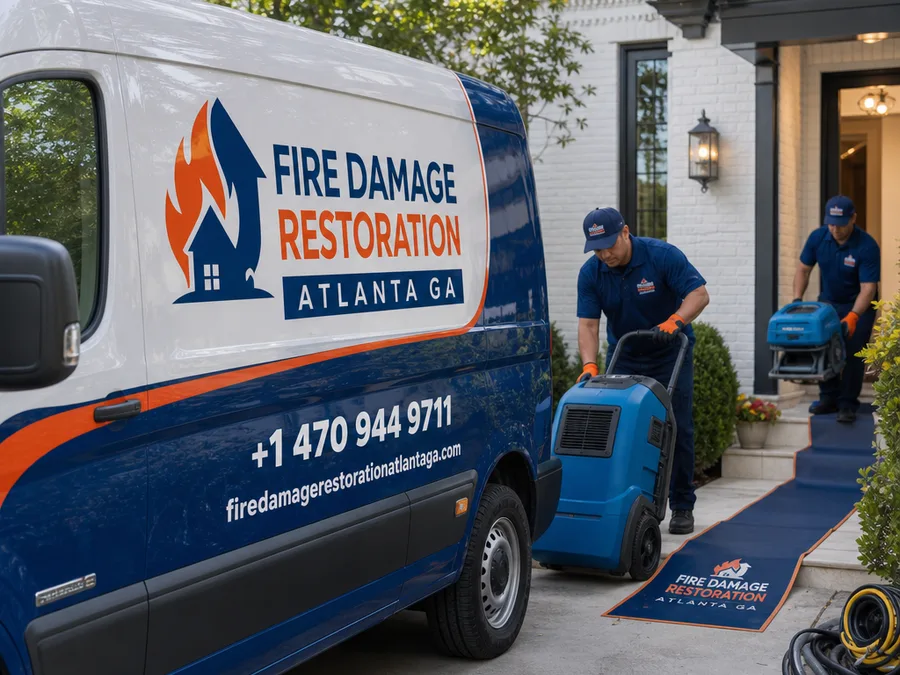
Expect PPE, controlled debris handling, and daily check-ins on drying progress and what is changing in the scope.
Restoration in Atlanta often runs into a mix of older housing and fast-moving weather. In historic neighborhoods like Virginia-Highland and Inman Park, plaster walls, original hardwoods, and older framing can be more sensitive to aggressive demolition, so careful testing and selective removal matter. In Midtown and Downtown, condo and high-rise losses often involve shared walls and building rules for equipment, elevator use, and after-hours noise. In Buckhead, larger footprints and multiple HVAC zones can spread odor and fine soot farther, which affects how containment and filtration are set up.
Atlanta also sees heavy rain events and high-humidity periods that can slow evaporation. That does not change the goal, but it does affect equipment sizing and monitoring. The right drying strategy is based on material type and measured moisture conditions, not a fixed number of days.
For most properties, the work is a blend of mitigation and careful cleaning. Some materials can be saved with the right approach, while others become a long-term odor source and should be removed early. We will walk you through those calls so you understand what you are paying for and what you are protecting.
We confirm safety concerns such as power, structural issues, and active leaks, then set the first containment and protection steps to prevent soot migration and additional water damage.
We measure affected areas, identify materials that cannot be dried or cleaned, and document conditions so the scope matches what is actually on site.
We extract standing water, remove unsalvageable wet materials, and open cavities when needed so drying can reach what is hidden.
We remove soot residues from surfaces, run air scrubbers, and apply odor-control methods suited to the source materials and building conditions.
We run drying equipment and track progress with readings. Equipment is adjusted based on conditions rather than left running on a timer.
After drying and cleaning goals are met, we review what is ready for repairs or rebuild decisions and what still needs specialty work for odor or contents.
Atlanta water fire damage restoration typically ranges from about $2,500 to $15,000+ for moderate losses, while larger or multi-room events can run $20,000 to $60,000+ depending on demolition needs, drying time, and the extent of smoke contamination. Smaller, contained incidents with limited water and light soot are often toward the low end; full-home drying plus heavy soot cleanup and contents handling moves costs up quickly.
Price drivers include affected square footage, how far water traveled into cavities, ceiling height, flooring type, insulation removal, required containment, and whether odor sealing is needed. The exact cost is confirmed after an on-site inspection and moisture mapping.
Response speed depends on crew availability and conditions on site, but the goal is to get mitigation started as soon as possible because wet materials and soot residues worsen with time. In Atlanta, quick setup for extraction, containment, and dehumidification is often what prevents secondary damage like swelling floors, mold growth risk, and deeper odor absorption.
Smoke odor is removable when the source materials are properly cleaned or removed and the remaining structure is treated correctly. Odor returns when soot residues remain in porous surfaces like insulation, drywall paper, or unfinished wood, or when the building dries without addressing contamination. The plan usually includes both cleaning and targeted sealing where needed.
Not always, but wet drywall and insulation often need selective removal to dry the framing and prevent trapped moisture. The decision is based on moisture readings, how long materials were wet, and whether soot contamination is present inside cavities, because a closed wet cavity can hold odor and slow drying.
Sometimes, but it depends on air quality, the areas affected, and whether containment can keep soot and dust out of living spaces. If the kitchen, primary bedroom, or HVAC system is impacted, or if deodorization treatments are planned, temporary relocation is often safer and makes the work faster.
Avoid running fans that blow soot through the home, avoid using household vacuums because they can spread fine soot, and do not turn on HVAC if you suspect smoke in the system. If you move items, keep them in a clean, dry room and do not wipe soot with water on painted walls because it can smear and set the residue.
Yes, we document conditions with photos, notes, and moisture readings so the scope is clear and itemized. In a combined loss, separating mitigation work such as extraction, drying, and cleaning from rebuild decisions helps keep the claim process organized and reduces back-and-forth about what was damaged versus what is elective.
Fire Damage Restoration Atlanta GA serves Atlanta, GA 30305 with on-site assessment, coordinated drying and soot cleanup, and a written plan you can use to move forward with repairs and insurance decisions.