Source control and safety first
We help you prioritize shutoffs, electrical safety, and contamination level (clean water vs. gray/black water) before any drying plan is set.
Serving Atlanta, Georgia & surrounding areas
24/7 Emergency Response
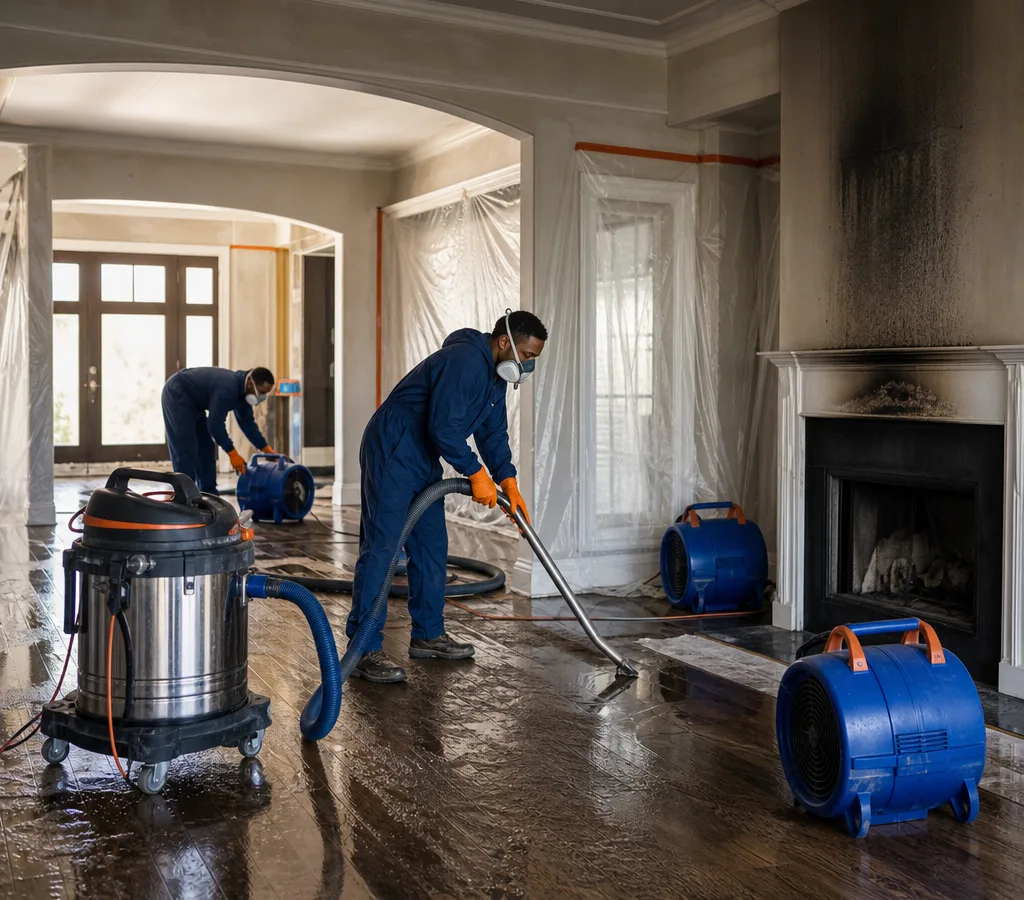
When water gets into floors, drywall, or framing, time matters. Our team responds fast, documents what happened, and dries the structure the right way so you can repair with confidence.
Searching for water damage companies Atlanta residents can count on usually happens under stress: a supply line breaks, a washer overflows, or rainwater finds a weak spot. The right response in the first 24 to 48 hours can reduce swelling, staining, and hidden mold risk.
At Fire Damage Restoration Atlanta GA, we handle the full cleanup and drying process after an indoor water loss. That includes stopping the spread of moisture, pulling water from carpet and padding, drying wall cavities when needed, and tracking progress with moisture readings. You get clear documentation of what we found, what we removed, and how we verified the structure was dry.
Atlanta homes vary a lot by neighborhood and build style. Condos and townhomes in Midtown can have shared walls where moisture migrates sideways into an adjacent unit. Older bungalows around Virginia-Highland often have wood framing and original hardwood that can cup quickly after a leak. In Buckhead, finished basements and lower levels can hide water behind built-ins and drywall, which is why inspection and targeted drying matter. Across the city, Georgia humidity can slow natural evaporation, so relying on fans alone is rarely enough for structural drying.
We help you prioritize shutoffs, electrical safety, and contamination level (clean water vs. gray/black water) before any drying plan is set.
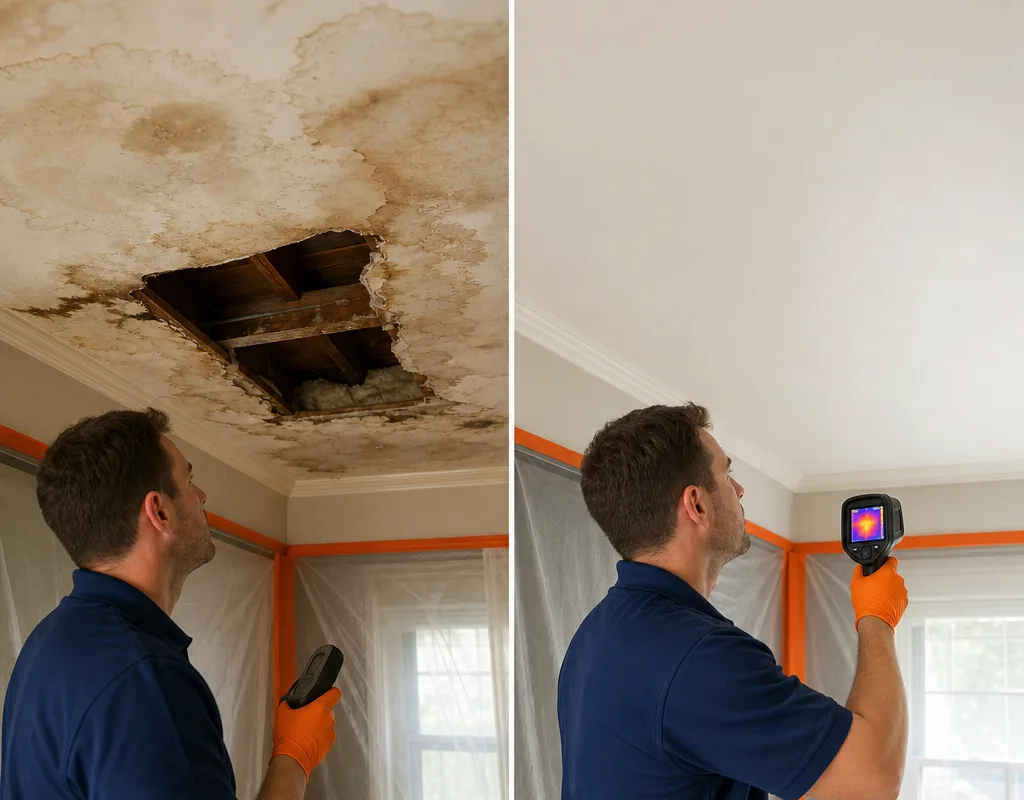
We check baseboards, drywall, subfloors, and known pathways like HVAC chases. Moisture readings guide where equipment goes and what needs removal.
Extraction removes bulk water fast. Then we use dehumidification and air movement sized to the loss, with adjustments as readings improve.
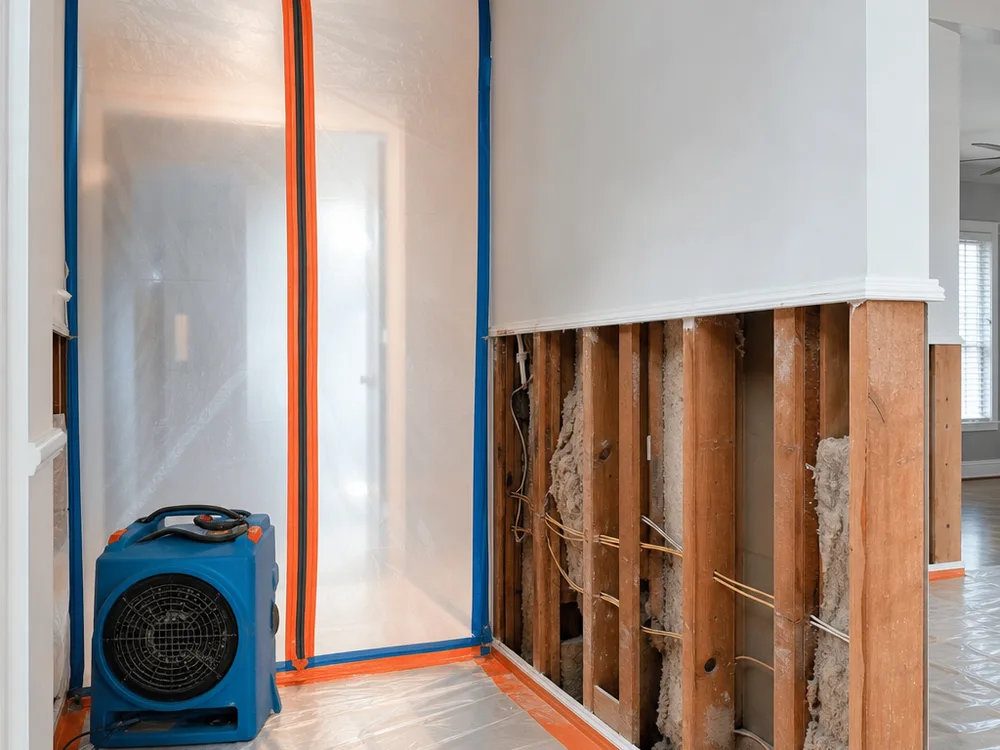
If water is trapped in insulation or behind cabinets, controlled removal is often the fastest route to dry, repair-ready materials.
You receive notes and photos of affected areas, equipment placement, and drying verification, which helps coordinate with rebuild plans or insurance.
Most property damage comes from everyday failures, not dramatic storms. We routinely respond to:
A big part of choosing between water damage companies in Atlanta is knowing whether the company will look past what is visible. Water often wicks up drywall, travels under thresholds, and sits under tile backer or shower pans. If it is not found and dried, you can end up repainting or replacing flooring twice.
If your loss involves smoke or fire residue as well as water, start with a provider that coordinates both scopes. Many homeowners begin with our Fire Damage Restoration team because the same job often includes demolition decisions, air filtration, and documentation across trades.
Request Emergency Service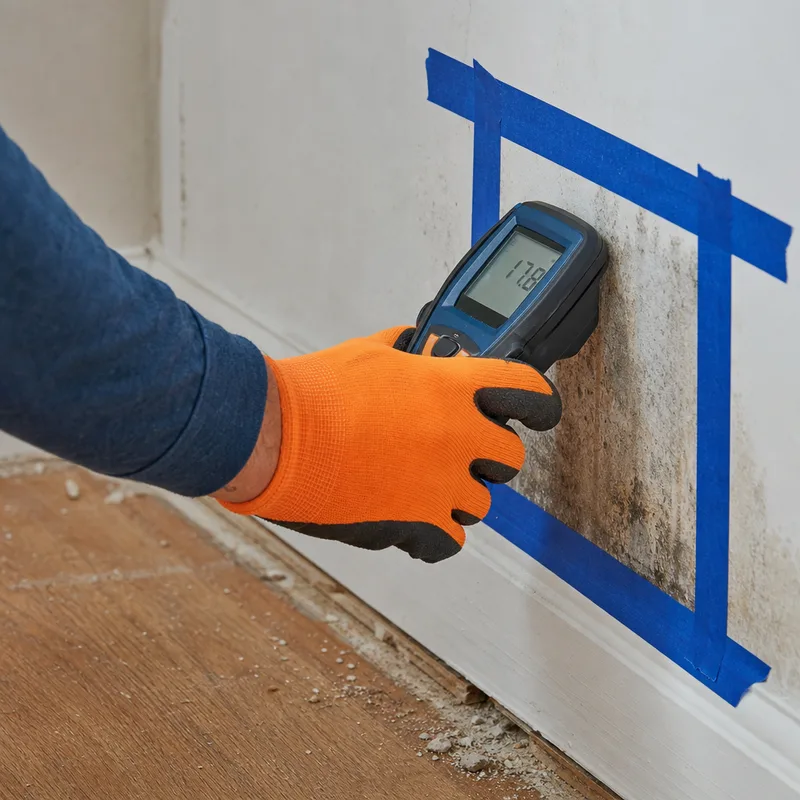
We walk the affected areas, check adjacent rooms and lower levels, and identify the water category and the likely pathway through materials.
We remove standing water, protect salvageable belongings, and take steps to prevent staining and swelling where possible, especially around hardwood and cabinets.
Air movers and dehumidifiers are placed to dry subfloors, wall cavities, and framing. We may open small access points to dry behind finishes instead of drying blindly.
Drying is not set-and-forget. We re-check moisture levels, move equipment as needed, and document progress until materials reach a dry standard.
Once dry, we outline what needs to be rebuilt or replaced. You receive a clear scope so you can move forward without surprises during repairs.
Water damage restoration in Atlanta typically ranges from about $900 to $6,500 for many residential losses, with large or heavily affected projects running higher. A small, contained leak with basic extraction and drying often lands near the low end, while water in multiple rooms, saturated drywall or insulation removal, and extended drying time increases cost.
Final pricing depends on the water category (clean vs. contaminated), how far moisture traveled—including wall cavities and subfloors—access, required demolition, equipment days, and needed antimicrobial steps. The exact cost is confirmed after an on-site inspection and moisture readings.
If you are deciding between water damage restoration companies in Atlanta, ask for a written drying plan, what will be removed (if anything), and how dryness will be verified before repairs begin.
You should aim for same-day response whenever possible because materials like drywall and flooring can absorb water quickly and conceal it behind baseboards. In Atlanta's humid conditions, moisture can linger without proper dehumidification, which is why quick extraction and a measured drying plan matter.
Many companies handle the emergency phase—extraction, drying, and cleanup—and can also coordinate the repair scope, but it varies by provider. The key is confirming exactly what is included: demolition, debris disposal, drying verification, and whether repair work is part of the same written scope.
Ask what category of water they believe it is, how they will check wall cavities and subfloors, what instruments they use to verify dryness, and how equipment days are determined. You should also ask how they document the loss with photos and readings so you have a clear record for repairs or insurance.
Sometimes, yes, but it depends on how long the water sat, how much got under the boards, and whether the subfloor is saturated. A proper evaluation includes moisture readings in the wood and subfloor, and the drying approach may involve controlled airflow and dehumidification to reduce cupping and swelling.
Often it is, especially for clean-water losses confined to one area, but safety depends on electrical risk, contamination level, and whether materials need removal that creates dust. If containment or air filtration is needed, we explain what areas to avoid and how we will keep the work zone controlled.
Drying commonly takes about 3 to 5 days, but it can be shorter for small, quickly addressed leaks or longer when water is trapped in multiple layers, such as tile assemblies, insulation, or built-ins. The timeline should be based on daily moisture checks, not a fixed guess.
Tell us what happened and what areas are wet. We will schedule an on-site inspection, explain the next steps, and provide a clear scope for cleanup, drying, and the path to repairs.