Rapid water extraction
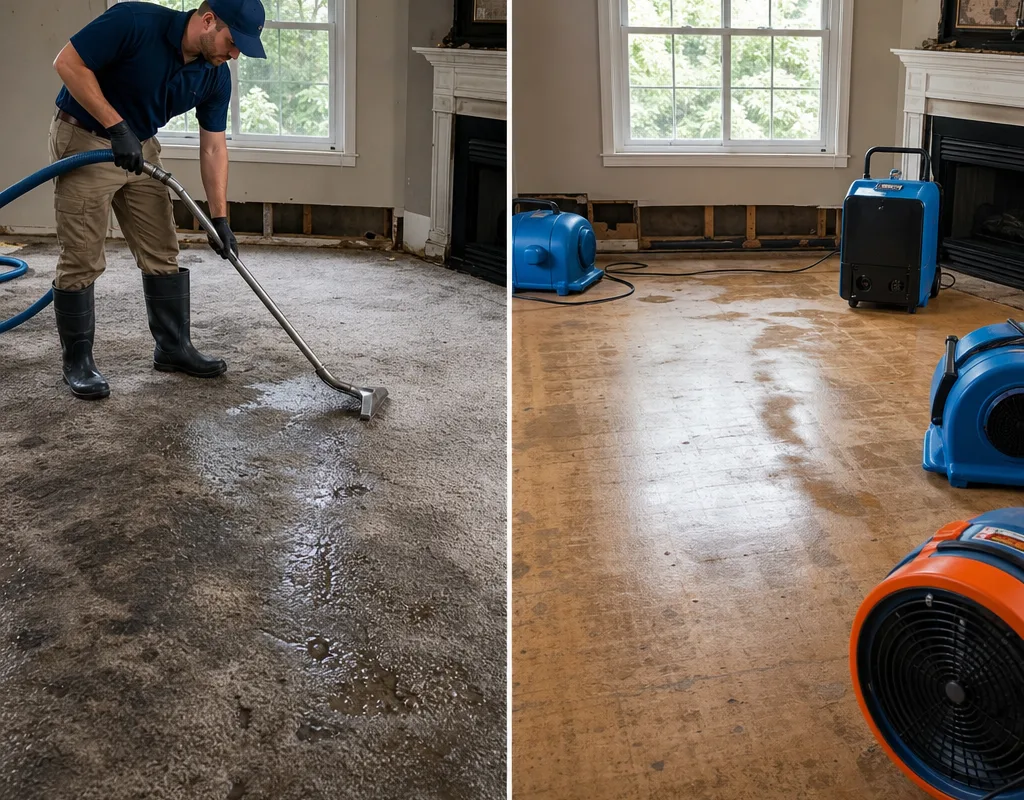
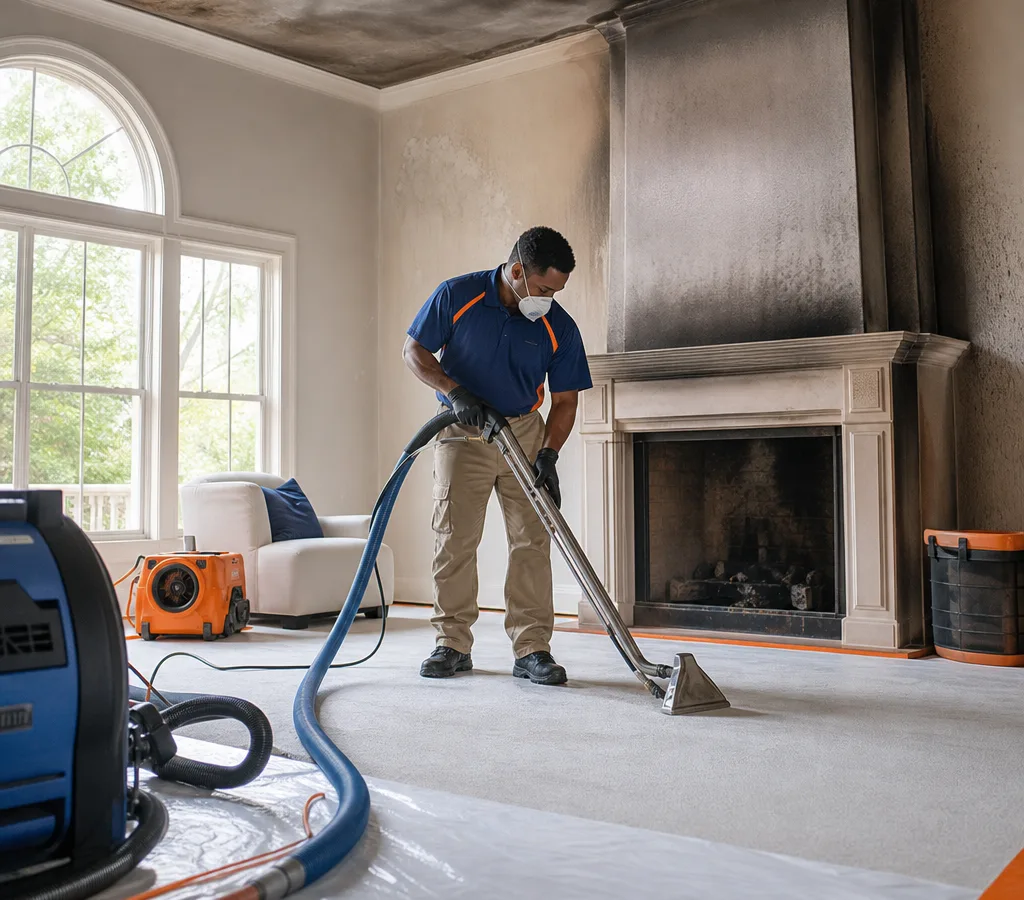
We remove standing water with commercial pumps and extraction wands, then target trapped water in carpet pad, under floating floors, and at thresholds where water collects.
Serving Atlanta, Georgia & surrounding areas
24/7 Emergency Response
When water gets into floors, walls, or ceilings, every hour matters. Our team responds fast in Atlanta to stop the spread, dry the structure correctly, and document the loss so repairs can move forward without delays.
If you are dealing with water damage Atlanta homeowners and property managers see every day, the first goal is simple: stop additional damage. If it is safe, shut off the water source—toilet supply, sink valve, water heater, or washer line—and power to any wet areas. Then avoid running HVAC or fans that could push moisture deeper into insulation or through the home.
Next, get a professional moisture assessment. What looks like a small leak on the surface can travel along subfloor seams, behind baseboards, and inside wall cavities. Our water damage Atlanta restoration work focuses on finding hidden moisture, removing water fast, and drying to standard so the building is safe to repair.
Fire Damage Restoration Atlanta GA provides water cleanup and structural drying throughout Atlanta, GA 30305 and nearby areas. If you need a team that can arrive, triage the situation, and give you a clear written scope for cleanup and repair, schedule an on-site assessment.
We remove standing water with commercial pumps and extraction wands, then target trapped water in carpet pad, under floating floors, and at thresholds where water collects.
We use moisture meters and thermal imaging to map wet areas and track drying progress. This is the difference between drying what you can see and drying what is actually wet.
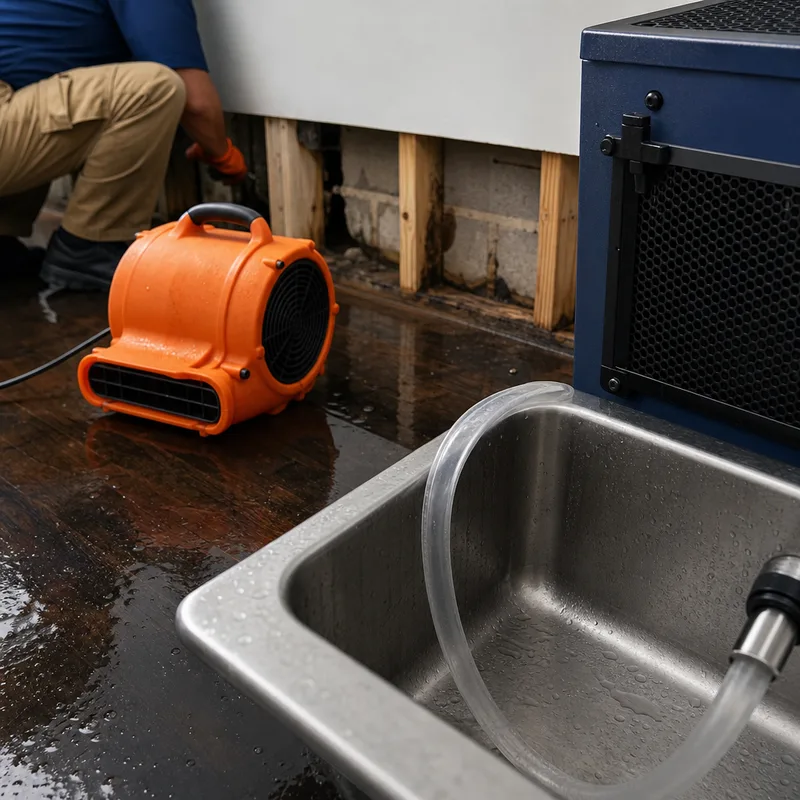
Air movers and dehumidifiers are placed based on room volume and moisture load. Containment helps keep dust and humidity from spreading to unaffected areas.
If drywall, insulation, or cabinetry cannot be dried safely, we remove only what is necessary to access cavities and prevent ongoing damage.
After the dry-out, we clean affected surfaces and address odors caused by damp materials. When conditions require it, we use targeted antimicrobial steps.
We outline what must be rebuilt after drying, such as baseboards, drywall patches, paint, and flooring transitions, so the property can return to normal use.
Atlanta's humid weather makes drying a wet structure more complicated than setting a few fans and hoping for the best. When humidity stays high, wet framing and subfloors can hold moisture longer, and materials that look dry on the surface can still be wet underneath.
We treat each loss as a building-science problem: airflow, dehumidification, temperature, and time all have to work together. That is why we focus on moisture readings, not guesswork. We also pay close attention to how homes are built in areas like Buckhead and Midtown, where you often see a mix of older construction and renovations with multiple layers of flooring, plus condos where water can migrate between units.
If your property has had repeated leaks, or you are noticing swelling baseboards, cupped flooring, or a musty odor days after the initial incident, those are signs the structure needs a professional dry-out and evaluation.
Request Emergency Service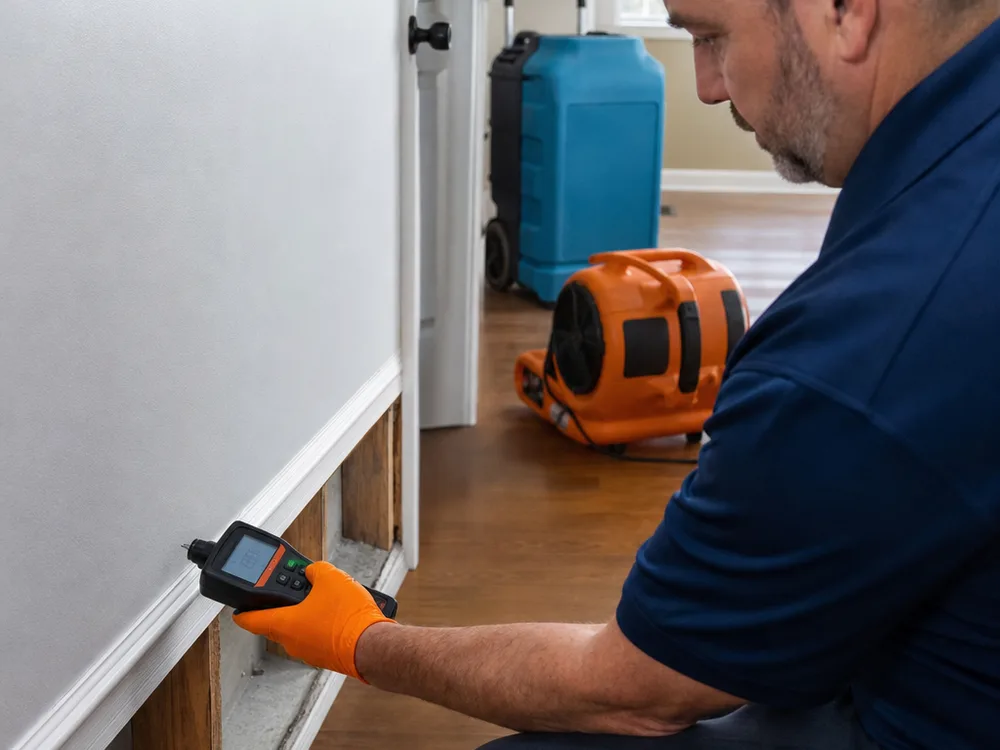
We identify the water source, check for electrical hazards, and classify the affected areas so the cleanup plan fits the risk level and materials involved.
We extract standing water, remove saturated porous materials when required, and protect floors and contents to limit secondary damage.
We set air movers and dehumidifiers based on the layout and moisture load. In many cases, we use targeted drying for wall cavities or subfloors.
We re-check moisture levels during the dry-out and adjust equipment and containment so drying stays on track and the property is ready for repair.
Once dry standards are met, we clean affected areas and provide a clear scope for the repairs needed to restore finishes and function.
Water damage restoration in Atlanta typically ranges from about $1,200 to $6,500+, depending on how far water spread and what materials are affected. A small, contained leak with minimal removal may fall near the low end, while multi-room drying with drywall removal, flooring work, and extended dehumidification can run higher.
Your final price depends on the category of water—clean versus contaminated—how long it sat, the square footage and number of wet layers such as carpet pad, subfloor, and insulation, access to wall cavities, and whether content handling is needed. The exact cost is confirmed after an on-site inspection and moisture mapping.
If you have active water intrusion, visible swelling, or a lingering damp smell, get a professional assessment quickly so drying starts before materials deteriorate and repairs expand.
Response time depends on current demand and where you are in the metro, but we prioritize active leaks, standing water, and situations where water is moving between rooms or units. In neighborhoods with dense housing like Midtown and Old Fourth Ward, quick stabilization can prevent water from affecting adjacent spaces, so we focus first on stopping spread and beginning extraction.
Yes. We restore water-damaged homes, condos, and commercial spaces, and we tailor containment and drying to the building type. Commercial losses often need tighter dust control and clearer scheduling so your operations can resume while drying continues.
Sometimes, but only when moisture readings and conditions support it. If water is trapped behind paint, inside insulation, or the drywall has lost integrity, selective removal is often the fastest way to dry correctly and avoid ongoing damage.
We regularly see supply line failures from washers, toilets, and sinks, water heater leaks, HVAC condensate problems, and storm-related water entry around windows or roofs. Any of these can push water into subfloors and wall cavities, which is why moisture mapping is part of the first visit.
Yes. We document affected areas, equipment needs, and drying progress so you have a clear record of what happened and what was required to restore the property. Every policy is different, but good documentation helps reduce confusion and delays when you are coordinating cleanup and repair.
Most structural drying takes about 3 to 5 days, but the timeline depends on how long water sat, the materials involved, and indoor humidity. In Atlanta's humid conditions, dehumidification and monitoring are especially important to confirm the structure is actually dry before repairs begin.
Tell us what happened and what areas are affected. We will inspect, map moisture, and outline the cleanup and repair steps so you can protect the property and move forward with confidence.