Rapid containment to limit spread
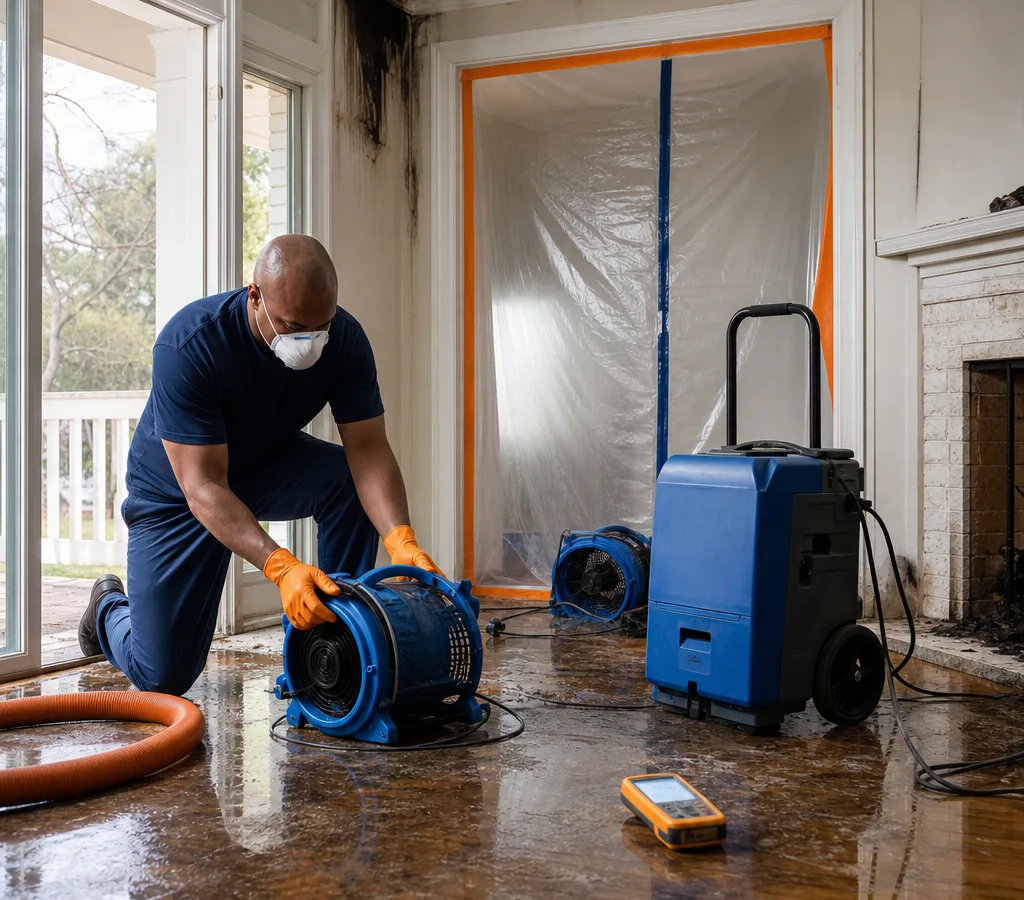
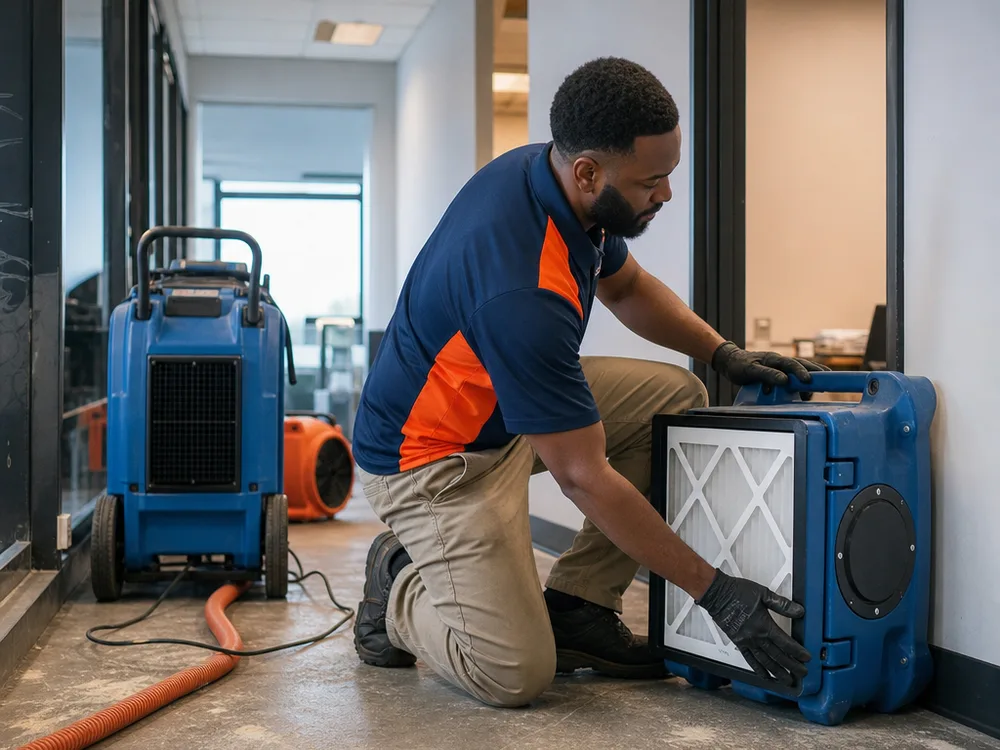
We isolate wet areas with plastic containment and negative air when needed, helping keep unaffected rooms and contents drier and cleaner.
Serving Atlanta, Georgia & surrounding areas
24/7 Emergency Response
Stop water from spreading, dry the structure the right way, and get clear documentation for your next steps. Our certified mitigation team responds fast across Atlanta for residential and commercial losses.
When water gets into a building, time matters because moisture keeps moving. Water damage mitigation in Atlanta is the urgent work that happens first: stopping the source when possible, removing standing water, setting drying equipment, and documenting conditions so repairs can be planned correctly.
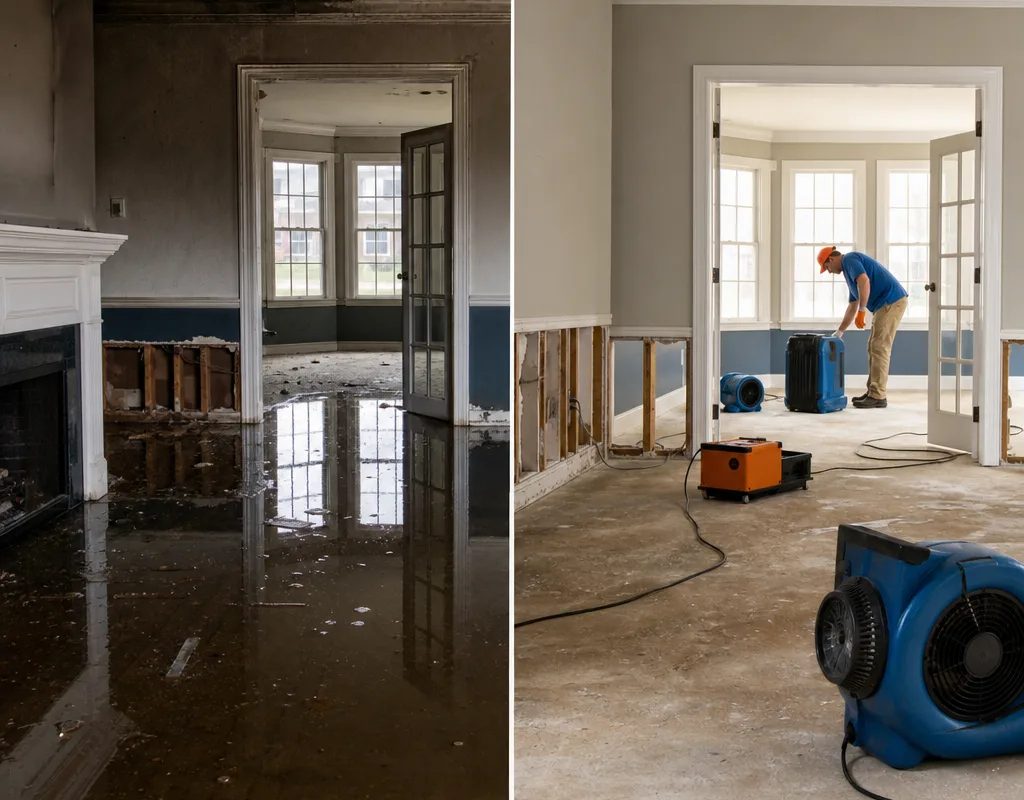
Fire Damage Restoration Atlanta GA provides water damage mitigation for burst supply lines, overflowing tubs, appliance leaks, roof intrusion, and storm-related water entry. In Atlanta, humidity can slow drying and raise the risk of microbial growth, so we focus on measured drying, not guesses. We use moisture mapping, targeted extraction, and commercial dehumidification to bring materials back to an acceptable moisture level while protecting floors, walls, and contents.
If your loss also involves smoke or fire, Fire Damage Restoration can coordinate the next phase so the property is stabilized with one clear plan.
We isolate wet areas with plastic containment and negative air when needed, helping keep unaffected rooms and contents drier and cleaner.
We track moisture in framing, drywall, and flooring using meters and thermal imaging where appropriate, then adjust equipment based on readings.
Photos, moisture logs, and a written scope support insurance conversations and help contractors understand what was removed, dried, and why.
We prioritize salvage when it is safe and practical: pack-outs, elevation of furniture, floor protection, and careful demo only where required.
For offices, retail, and multifamily properties, we plan around access, safety, and minimizing downtime while still meeting drying standards.
Mitigation is the emergency stabilization phase. It is designed to prevent additional damage and create a clean, dry baseline for repairs.
Typical mitigation work includes:
Mitigation usually does not include rebuilding finishes such as new drywall, paint, cabinets, or flooring. Those repairs are planned after drying goals are met and the scope is confirmed.
In older Atlanta neighborhoods with pier-and-beam areas, crawlspaces, or mixed flooring types, water can hide under layers. We look for trapped moisture at transitions, around baseboards, and under floating floors so drying is complete, not just surface-level.
Request Emergency Service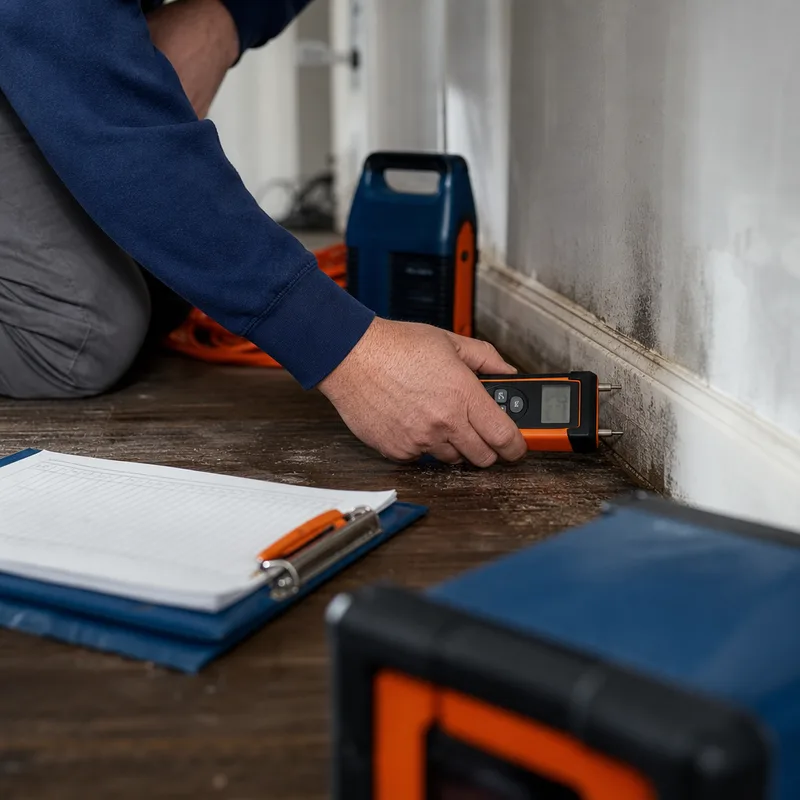
We identify electrical hazards, slip risks, and affected materials. Then we map moisture in walls, floors, and framing to define the drying plan.
We extract standing water and remove materials that cannot be dried safely, such as swollen drywall or contaminated insulation, then protect unaffected areas.
We place dehumidifiers and air movers based on the wet area layout and material type. In higher humidity conditions common in Atlanta, dehumidification capacity is critical for progress.
We record moisture readings and adjust equipment placement or quantity as needed. Drying is complete when target materials reach appropriate moisture content relative to unaffected areas.
We provide photos, readings, and a clear summary of what was done. If repairs are needed, we help you understand what comes next so you can plan confidently.
Mitigation work changes with building type and neighborhood housing stock. In areas like Buckhead and Midtown, high-rise condos and mixed-use buildings often mean strict access rules, elevator protection, and coordination with building management for water shutoffs. In Virginia-Highland and older intown neighborhoods, plaster walls, hardwood floors, and layered renovations can trap moisture in unexpected cavities. In East Atlanta and surrounding communities with varied construction eras, we frequently see water travel along subfloor seams and under baseboards before it shows up on the surface.
Storms can also shift priorities. Heavy rain events and wind-driven intrusion can create multiple entry points, so the mitigation plan may include targeted removal around roof lines, window openings, and ceiling penetrations where insulation holds water.
If you are unsure whether you need full mitigation or a smaller drying setup, a site inspection with moisture mapping is the fastest way to avoid paying for unnecessary demolition or, worse, leaving hidden moisture behind.
Water damage mitigation in Atlanta typically ranges from about $1,200 to $6,500 for many residential losses, with larger or more complex jobs running higher. A small localized leak with basic drying may land near the low end, while multi-room extraction, controlled demolition, and several days of monitoring can push costs up.
Final price depends on the square footage affected, water category (clean vs. contaminated), how long the water sat, material types (hardwood, plaster, insulation), access (high-rise rules, crawlspaces), and the amount of equipment time required. Exact costs are confirmed after an on-site inspection and moisture mapping.
Start as soon as you can because moisture spreads and Atlanta humidity can slow natural drying. Even if the visible water looks minor, wet drywall, insulation, and subflooring can hold moisture that leads to swelling, odor, and microbial growth if drying is delayed.
Shut off the water source if it is safe, avoid using electrical outlets in wet areas, and move small valuables out of the affected space. If possible, blot or extract surface water with towels, but avoid pulling up flooring or opening walls unless you know what is underneath, since that can spread contamination or damage finishes unnecessarily.
Yes, mitigation can include Category 2 or Category 3 water situations, but the scope changes because cleaning, removal, and containment requirements are stricter. We will explain what must be discarded, what can be cleaned, and what safety controls are needed before work starts.
Many drying projects take about 3 to 5 days, but the real timeline depends on material thickness, how long the water sat, and whether moisture is trapped under flooring or inside wall cavities. We base completion on moisture readings and drying goals, not on a fixed number of days.
Sometimes, yes, but we keep demolition selective and based on measurements. If drywall is saturated above an acceptable level, insulation is wet, or water is trapped under flooring, removing limited sections can be the most cost-effective way to achieve complete drying and prevent secondary damage.
Yes, we document conditions with photos, equipment logs, moisture readings, and a written scope so the claim process is clearer. If you are filing in Georgia, good documentation also helps keep the timeline moving when adjusters or property managers need proof of drying progress.
Tell us what happened and where the water is showing. We will respond quickly, map the moisture, and lay out a drying plan with clear documentation so you can make the right repair decisions.