Rapid water extraction
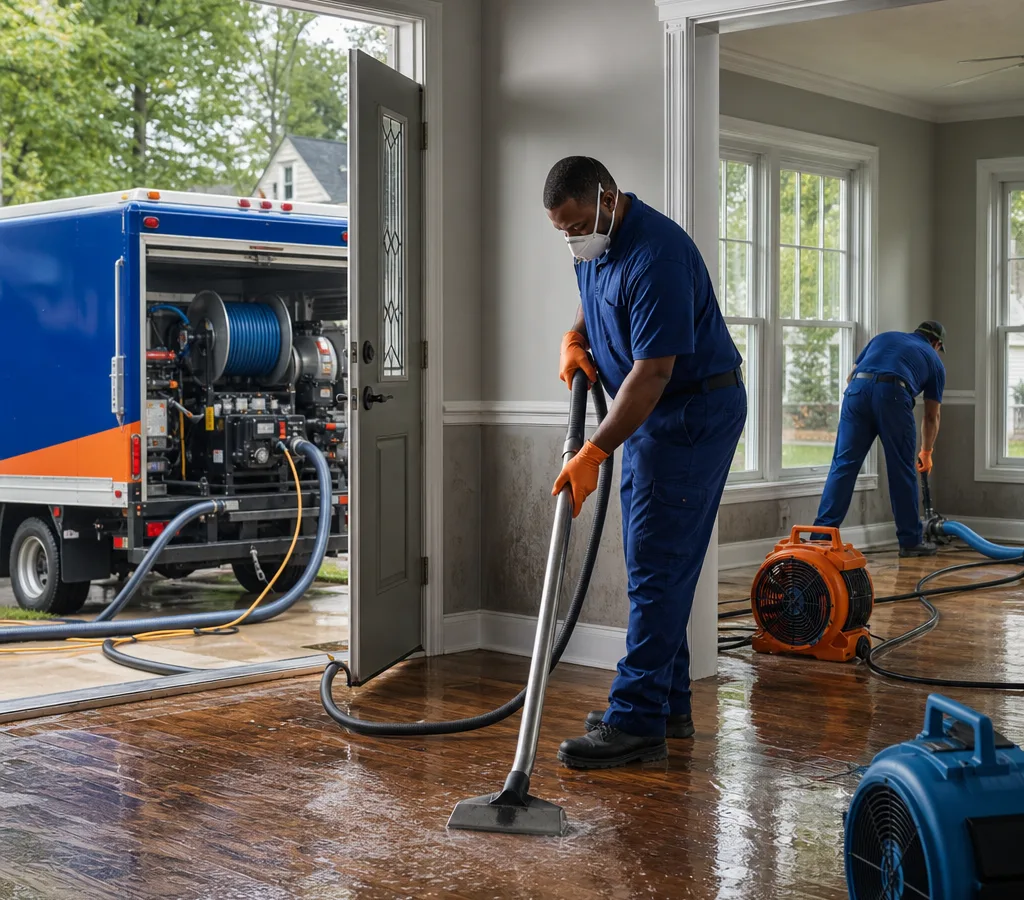
We remove standing water first using professional extractors, then move to detailed water removal at baseboards, seams, and low spots where moisture hides.
Serving Atlanta, Georgia & surrounding areas
24/7 Emergency Response
When water gets in, time matters. Our certified team responds fast, removes water, dries the structure, and documents the work so you can move forward with a clear plan.
If you are searching for water damage cleanup Atlanta GA, you are usually dealing with a leak, overflow, storm intrusion, or an appliance line that let go. The first goal is simple: stop further damage. The second goal takes more skill: dry the structure the right way so you do not trap moisture in framing, subfloors, insulation, or drywall.
Fire Damage Restoration Atlanta GA handles water damage cleanup for homes and businesses across Atlanta, including ZIP 30305 and nearby areas. We focus on rapid extraction, targeted demolition when materials cannot be dried, controlled structural drying, and moisture verification.
Atlanta properties often combine older construction with updated finishes. In Buckhead and Morningside, hardwood floors over plank or plywood subfloors can cup quickly when water sits. In Midtown condos and high-rises, leaks can travel between units through chases and shared walls. In East Atlanta and Grant Park, crawlspaces and older drain lines can turn a small leak into a broad moisture problem under the floor.
Wherever the water started, we treat the building like a system and dry it that way. We can also coordinate separate fire and smoke restoration work when a property has multiple kinds of damage.
We remove standing water first using professional extractors, then move to detailed water removal at baseboards, seams, and low spots where moisture hides.
Air movers and dehumidifiers are sized to the affected area, and we track progress with moisture meters so drying decisions are based on readings, not guesses.
If drywall, insulation, or flooring cannot be dried safely, we remove only what is necessary to open the cavity and prevent trapped moisture from becoming a bigger problem.
After clean-water losses, we focus on cleaning and drying. After gray or black water events, we add appropriate disinfection steps and dispose of contaminated porous materials.
We provide photos, notes, and moisture documentation that can support a claim and help everyone stay aligned on what was affected and what was done.
We help you understand what can be saved, what should be replaced, and how to keep the home or business functional while drying equipment is running.
Water rarely stays where you see it. It wicks through drywall, runs along framing, and pools under flooring. In humid Georgia weather, the building can also pull in moisture from outside air if the drying plan is not controlled.
Our approach is built around containment and verification:
You will always know what we are doing and why. If a material can be dried and kept, we tell you. If it should come out to prevent a longer-term issue, we show you the reasoning and readings behind it.
Request Emergency Service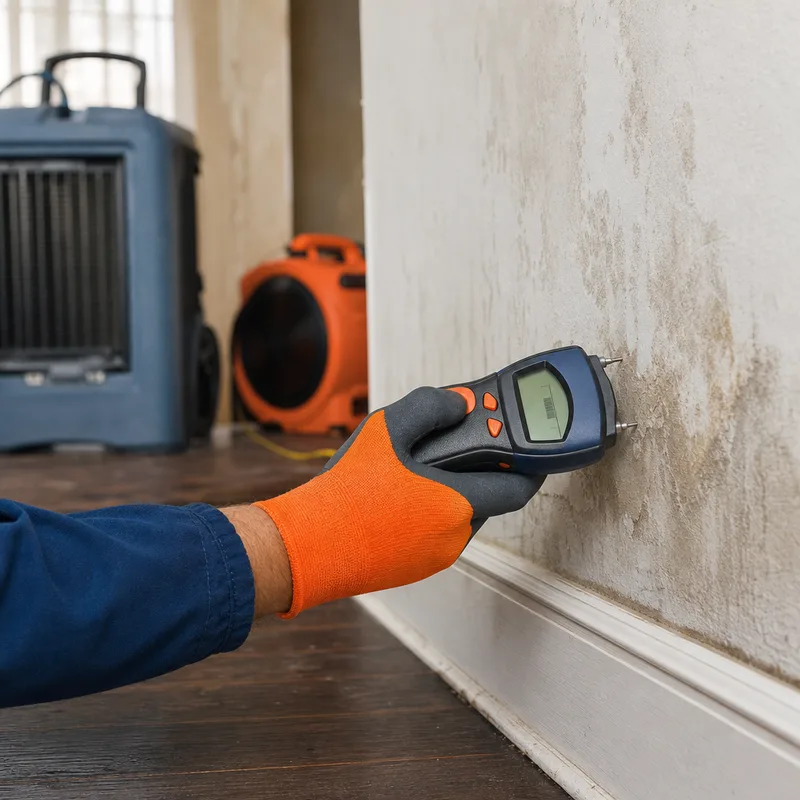
We confirm the water source is stopped, check for electrical or slip hazards, and identify whether the water is clean, gray, or black water so the right handling steps are used.
We inspect visible damage and use moisture meters and other tools as needed to identify wet boundaries in walls, floors, cabinets, and adjacent rooms.
We extract standing water and remove unsalvageable porous materials when required, especially after sewage or long-duration leaks.
We place air movers and dehumidifiers based on room geometry and moisture readings, then set drying targets that match the materials present.
Drying is not set-and-forget. We monitor progress, adjust equipment placement, and confirm that moisture content is trending down the way it should.
When readings indicate the structure is dry, we document the results and outline what is next for repairs and rebuilding.
Water damage cleanup in Atlanta typically ranges from about $1,200 to $6,500+ depending on how far the water spread and what materials are affected. A small, clean-water incident limited to one room is often at the low end, while multi-room losses, wet hardwood and subfloors, or contaminated water require more labor, equipment, and disposal.
Final pricing depends on moisture extent, category of water, access such as a crawlspace, condo, or tight rooms, how much demolition is required, and how long drying takes. The exact scope is confirmed after an on-site inspection and moisture mapping.
“We had a supply line leak that soaked the hardwood and the wall behind our cabinets. The crew explained what could be dried, what had to be removed, and showed moisture readings each visit. The place felt under control again within a day.”
“Our condo leak affected the unit below, and everything moved fast. They documented the affected areas, set containment, and kept the drying equipment organized so the building could still function.”
Drying should start as soon as the water source is stopped and standing water is removed, ideally the same day. The longer moisture sits in drywall, wood, and insulation, the more likely you are to see swelling, warping, and microbial growth, especially in Atlanta's warm, humid conditions.
Yes. The cleanup plan depends on the water category: clean-water incidents may focus on drying and cleaning, while gray or black water requires stricter containment, removal of contaminated porous materials, and disinfection steps. We explain what category applies and what that changes in the scope.
Sometimes, but it depends on how long the water sat, how much reached the subfloor, and the floor type and installation. We check moisture in the boards and subfloor and watch how the readings trend; severe cupping, buckling, or prolonged saturation often means sections need removal to dry the structure underneath.
A proper inspection includes identifying the source, mapping moisture with meters, checking adjacent rooms and lower levels for migration, and determining what materials can realistically be dried. You should receive a clear written scope that matches what is actually wet, not just what is visible.
Many residential drying jobs take about 3 to 5 days, but the timeline depends on the amount of water, affected materials, and airflow conditions. Multi-room saturation, wet subfloors, or water in wall cavities can extend drying time because the structure must reach safe moisture levels before repairs start.
Yes. We document the affected areas, the equipment used, and moisture readings over time, and we can provide photos and notes that help support a claim. The best results usually happen when cleanup, drying, and documentation begin promptly after the loss.
Tell us what happened and where the water is showing. We will respond quickly, inspect the affected areas, and give you a clear scope for extraction, drying, and next steps.